
Note: This article is confirmed by Law Offices Of SRIS, P.C.
AUTHOR BIO:WRITTEN BY
Since 1997, Mr. Sris has led the firm, focusing on the most challenging criminal and family law cases. His background in accounting and information management aids in financial and technology-related cases. Involved in significant legislative changes in Virginia. My focus since founding the firm in 1997 has always been directed towards personally handling the most challenging and involved criminal and family law matters our clients face.
Postnup Lawyer Fairfax VA
What is a Postnuptial Agreement
Postnuptial agreements serve as legal contracts between married spouses. These documents establish terms for property division, financial support, and other matters. Unlike prenuptial agreements created before marriage, postnuptial agreements are developed during the marriage. They address various situations that may arise during the marital relationship.
Virginia law permits postnuptial agreements when certain conditions are met. Both parties must provide complete financial disclosure. Each spouse should have independent legal representation. The agreement must be entered voluntarily without coercion. Courts examine whether the terms are fair and reasonable at the time of execution.
These agreements can address multiple aspects of marital life. Property division upon separation or death is commonly included. Financial support arrangements may be specified. Debt responsibility and management can be outlined. Business interests and inheritance rights might be addressed. The agreement can establish terms for various potential scenarios.
Legal professionals help draft comprehensive postnuptial agreements. They ensure all required elements are included. Proper documentation and execution procedures are followed. The agreement should reflect both parties’ understanding and consent. Regular reviews and updates may be necessary as circumstances change.
How to Create a Valid Postnuptial Agreement
The process for creating a valid postnuptial agreement follows established legal procedures. Initial discussions between spouses should occur openly and honestly. Both parties need to understand the purpose and potential benefits. Clear communication helps establish mutual goals and expectations.
Complete financial disclosure represents a fundamental requirement. Each spouse must provide detailed information about assets, debts, income, and expenses. This transparency ensures both parties understand the financial landscape. Documentation should include bank statements, investment accounts, property deeds, and liability records.
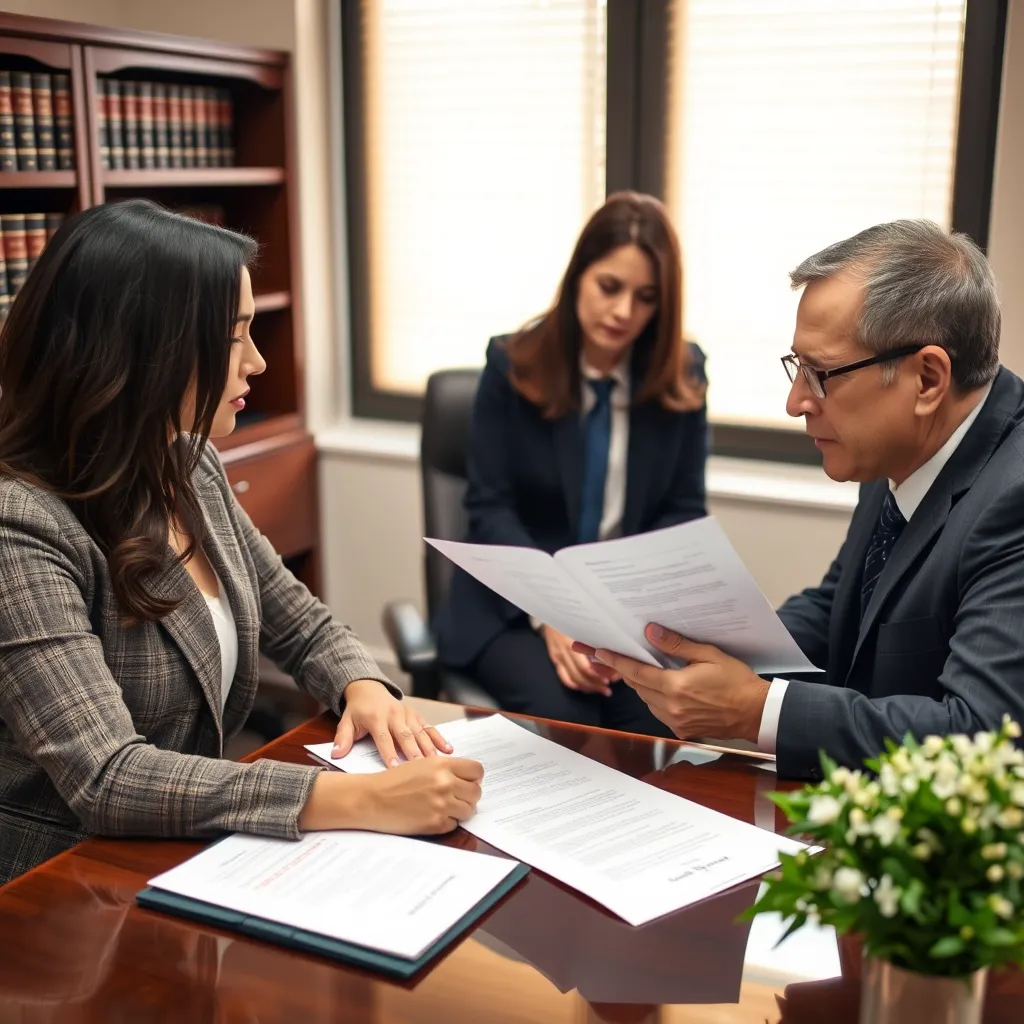
Independent legal counsel is necessary for both spouses. Each party should consult with their own attorney. Legal professionals explain rights, responsibilities, and potential consequences. They help negotiate terms that protect their client’s interests. This separate representation helps ensure voluntary and informed consent.
Drafting the agreement involves careful consideration of various elements. Property classification and division methods should be specified. Financial support terms may be included if appropriate. Debt allocation and management provisions can be addressed. The agreement should account for potential future changes in circumstances.
Execution and documentation complete the process. Both parties must sign the agreement voluntarily. Witnesses and notarization may be required. Proper storage of the original document is important. Regular reviews ensure the agreement remains relevant as situations evolve.
Can I Modify an Existing Postnuptial Agreement
Modification of existing postnuptial agreements is possible under Virginia law. Both spouses must agree to any changes to the original terms. The modification process generally follows similar procedures as creating the initial agreement. Mutual consent forms the foundation for any amendments.
Various circumstances may prompt consideration of modifications. Significant changes in financial situations often necessitate updates. Career advancements or setbacks might affect agreement terms. Acquisition of substantial assets could require adjustment. Changes in family structure, such as children’s births, may prompt review.
The modification process requires careful attention to legal requirements. Both parties should obtain independent legal counsel again. Complete financial disclosure must be updated to reflect current circumstances. The modified agreement should address any new considerations or concerns.
Documentation of modifications follows established protocols. Written amendments should clearly reference the original agreement. Both spouses must sign the modification documents voluntarily. Witness requirements and notarization may apply. The modified agreement should be stored with the original document.
Legal professionals assist with modification processes. They help identify necessary changes based on current circumstances. Guidance ensures modifications comply with Virginia law. Review of the entire agreement context helps maintain consistency. Proper execution procedures protect the agreement’s continued validity.
Why Hire Legal Help for Postnuptial Matters
Professional legal assistance offers significant advantages for postnuptial matters. Attorneys understand Virginia’s specific legal requirements and standards. They help ensure agreements are drafted properly and completely. Legal professionals identify potential issues before they become problems.
Attorneys facilitate the entire agreement process effectively. They help initiate constructive discussions between spouses. Guidance on required disclosures and documentation prevents oversights. Negotiation assistance helps reach mutually acceptable terms. Proper execution procedures are managed correctly.
Legal representation protects individual rights and interests. Each spouse’s attorney focuses on their client’s specific situation. Potential consequences and implications are explained clearly. Rights under Virginia law are identified and preserved. Future enforcement considerations are addressed proactively.
Experience with local courts and procedures provides valuable insight. Attorneys familiar with Fairfax jurisdiction understand local practices. Knowledge of how courts interpret and enforce agreements is beneficial. Relationships with other legal professionals can facilitate smoother processes. Understanding of recent legal developments ensures current approaches.
Comprehensive service extends beyond document preparation. Ongoing advice about agreement maintenance may be provided. Assistance with modifications as circumstances change is available. Guidance on related legal matters can be offered. Support during potential enforcement situations might be needed.
FAQ:
1. What is the difference between prenuptial and postnuptial agreements?
Prenuptial agreements are created before marriage. Postnuptial agreements are made during marriage. Both address similar property and financial matters.
2. Are postnuptial agreements enforceable in Virginia?
Yes, Virginia courts enforce valid postnuptial agreements. Requirements include full disclosure and independent counsel. The agreement must be fair and voluntary.
3. What should be included in a postnuptial agreement?
Include property division terms and financial arrangements. Address debt responsibility and support provisions. Specify terms for various potential scenarios.
4. Can a postnuptial agreement address child custody?
Child custody and support cannot be predetermined. These matters are decided based on children’s best interests. Agreements can address financial aspects only.
5. How much does a postnuptial agreement cost?
Costs vary based on challenge and attorney rates. Both parties need separate legal representation. Simple agreements generally cost less than involved ones.
6. When should we consider a postnuptial agreement?
Consider after significant financial changes or business starts. When inheritance or asset acquisition occurs. If marital circumstances have evolved substantially.
7. Can we create our own postnuptial agreement?
Self-drafted agreements often lack necessary legal elements. Virginia has specific requirements for validity. Professional drafting prevents enforcement issues.
8. What makes a postnuptial agreement invalid?
Lack of financial disclosure or independent counsel. Evidence of coercion or pressure. Unconscionable terms that are fundamentally unfair.
9. How often should we review our postnuptial agreement?
Review after major life events or financial changes. Consider updates every few years. Legal review ensures continued relevance.
10. Can a postnuptial agreement be challenged in court?
Yes, agreements can be challenged under certain circumstances. Challenges may involve claims of improper execution. Courts examine fairness and compliance with requirements.
11. What happens if we divorce with a postnuptial agreement?
The agreement governs property division and financial matters. Terms outlined in the document are generally followed. Courts review for basic fairness and legal compliance.
12. Do both spouses need lawyers for a postnuptial agreement?
Yes, independent legal counsel is strongly recommended. Separate representation ensures voluntary informed consent. Virginia courts may question agreements without proper counsel.
Past results do not predict future outcomes.