
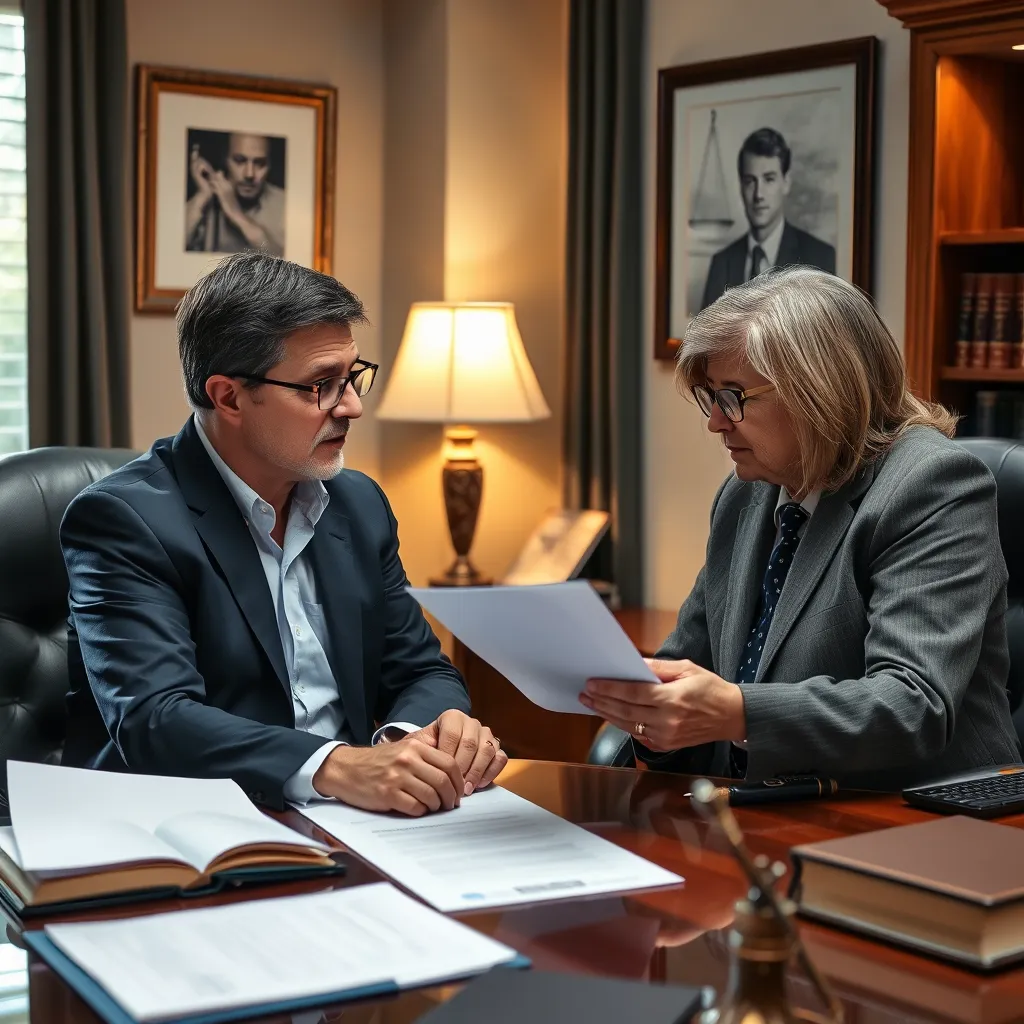
Note: This article is confirmed by Law Offices Of SRIS, P.C.
WRITTEN BY: Mr. Sris
Since 1997, Mr. Sris has led the firm, focusing on the most challenging criminal and family law cases… His background in accounting and information management aids in financial and technology-related cases… Involved in significant legislative changes in Virginia.
Insight: My focus since founding the firm in 1997 has always been directed towards personally handling the most challenging and involved criminal and family law matters our clients face.
Insight: I find my background in accounting and information management provides a unique advantage when handling the intricate financial and technological aspects inherent in many modern legal cases.
Insight: As someone deeply involved in the community, I believe it’s important to not only practice law but also to actively participate in shaping it, which is why I dedicated effort towards amending Virginia Code § 20-107.3 and achieving state recognition for cultural milestones.
Out Of State Divorce Enforcement Lawyer Fauquier VA
What is out of state divorce enforcement
Out of state divorce enforcement refers to the legal process where Virginia courts recognize and give effect to divorce judgments issued in other states or countries. When someone moves to Virginia after obtaining a divorce elsewhere, they may need to have that divorce judgment enforced to ensure compliance with its terms. This includes matters like child support payments, spousal support obligations, property division orders, and custody arrangements established in the original divorce.
The enforcement process begins with determining whether Virginia will recognize the foreign divorce judgment. Virginia generally follows the principle of comity, which means courts will respect judgments from other jurisdictions that meet certain legal standards. However, this is not automatic. The judgment must be final, the issuing court must have had proper jurisdiction, and the proceedings must have followed due process requirements. If these conditions are met, Virginia courts can enforce the judgment as if it were originally issued in Virginia.
To enforce an out-of-state divorce judgment, specific legal procedures must be followed. This typically involves filing a petition or motion with the appropriate Virginia court, providing certified copies of the original judgment and supporting documents, and demonstrating that the judgment meets Virginia’s recognition requirements. The court will review the materials and determine whether to grant full faith and credit to the foreign judgment. Once recognized, enforcement mechanisms like wage garnishment, property liens, or contempt proceedings become available to ensure compliance.
Professional legal assistance is vital for this process because each state has different requirements and procedures. An attorney familiar with both Virginia law and the laws of the state where the divorce was granted can properly assess the situation, prepare necessary documentation, and present the case effectively to the court. They understand the specific evidentiary requirements and can address any potential challenges to enforcement.
How to enforce a foreign divorce in Virginia
Enforcing a foreign divorce in Virginia follows a structured legal process designed to validate judgments from other jurisdictions. The first step involves gathering all necessary documentation from the original divorce proceedings. This includes obtaining certified copies of the final divorce decree, any supporting orders regarding child support, alimony, or property division, and documentation showing proper service and jurisdiction in the original case. These documents must be authenticated according to Virginia court requirements.
Once documentation is prepared, the next step is filing the appropriate legal motions with the Virginia court having jurisdiction over the matter. Typically, this involves filing a petition for recognition and enforcement in the circuit court where you reside or where enforcement is needed. The petition must clearly state the relief sought, reference the specific provisions of the foreign judgment to be enforced, and provide legal arguments supporting recognition under Virginia law. Supporting affidavits and exhibits must accompany the filing.
The court will schedule a hearing to consider the enforcement request. During this hearing, you must demonstrate that the foreign judgment meets Virginia’s requirements for recognition. This includes showing that the original court had proper jurisdiction over the parties and subject matter, that the judgment is final and not subject to appeal, that proper notice was given in the original proceedings, and that the judgment does not violate Virginia public policy. The opposing party may challenge enforcement on various grounds, requiring legal argument and evidence presentation.
If the court grants recognition, it will issue an order enforcing the foreign judgment. This order allows use of Virginia’s enforcement mechanisms, including wage garnishment for support payments, property execution for monetary awards, and contempt proceedings for non-compliance. The order may also provide for registration of the judgment with appropriate Virginia agencies for ongoing enforcement purposes. Professional legal guidance ensures proper procedure following and addresses potential complications.
Can I get my out-of-state divorce recognized in Fauquier
Yes, you can get your out-of-state divorce recognized in Fauquier County, but the process requires following specific Virginia legal procedures. The recognition of foreign divorce judgments in Fauquier operates under Virginia’s adoption of the Uniform Enforcement of Foreign Judgments Act and common law principles of comity. Whether your particular divorce will be recognized depends on several factors that Virginia courts carefully examine.
The primary consideration is whether the court that issued the original divorce had proper jurisdiction over both parties and the subject matter. Virginia courts will not recognize judgments from courts that lacked authority to decide the case. This means the original court must have had personal jurisdiction over both spouses (typically through residence, consent, or minimum contacts) and subject matter jurisdiction over divorce matters. If jurisdiction was lacking, Virginia courts will refuse recognition regardless of other factors.
Another important factor is whether the judgment is final and conclusive. Virginia generally requires that the foreign judgment be final and not subject to further appeal or modification in the issuing jurisdiction. Temporary orders or judgments still subject to appeal may not qualify for immediate recognition. Additionally, the original proceedings must have provided fundamental fairness, including proper notice to all parties and opportunity to be heard. Judgments obtained through fraud or without due process will not be recognized.
Even if these requirements are met, Virginia courts may refuse recognition if the foreign judgment violates Virginia public policy. This is a narrow exception but can apply in certain circumstances. The recognition process involves filing appropriate legal documents with the Fauquier County Circuit Court, providing certified copies of the foreign judgment and supporting evidence, and potentially participating in court hearings. Professional legal assistance helps ensure proper procedure following and addresses any challenges that may arise.
Why hire legal help for divorce enforcement matters
Hiring legal help for divorce enforcement matters provides significant advantages when dealing with interstate legal challenges. Professional attorneys bring specific knowledge of Virginia’s recognition requirements and enforcement procedures that most individuals lack. They understand the nuances of full faith and credit principles, comity doctrines, and specific statutory requirements that govern foreign judgment enforcement. This knowledge helps avoid common pitfalls that could delay or prevent enforcement of your divorce terms.
Legal professionals properly prepare and present the necessary documentation for court proceedings. This includes obtaining properly certified copies of foreign judgments, preparing affidavits and supporting evidence, drafting legal motions and petitions, and ensuring all filings meet Virginia court requirements. They know what specific information courts require and how to present it effectively. Proper documentation preparation is often the difference between smooth recognition and prolonged legal battles over technical deficiencies.
Attorneys provide representation in court hearings and proceedings. When seeking enforcement, you may need to participate in hearings where legal arguments are presented and evidence is examined. Having professional representation ensures your position is effectively communicated to the court, legal standards are properly applied to your situation, and any challenges from the other party are appropriately addressed. They can also negotiate with opposing counsel when possible to reach agreements that facilitate enforcement.
Legal help provides ongoing support for enforcement after recognition is granted. Once a foreign judgment is recognized, various enforcement mechanisms may be needed to ensure compliance. Attorneys can assist with wage garnishment procedures, property execution, contempt motions, and other enforcement tools. They monitor compliance and take appropriate action when violations occur. This comprehensive approach ensures your rights are protected throughout the enforcement process and beyond.
FAQ:
What documents do I need to enforce an out-of-state divorce in Virginia?
You need certified copies of the final divorce decree, all supporting orders, proof of service from the original case, and identification documents. Additional evidence may be required depending on your specific situation.
How long does the enforcement process take in Fauquier County?
The timeline varies based on court schedules and case challenge. Simple cases may take several weeks, while contested matters can extend for months depending on hearings and evidence requirements.
Can child support orders from another state be enforced in Virginia?
Yes, through the Uniform Interstate Family Support Act. Virginia courts can enforce child support orders from other states once proper registration and recognition procedures are completed.
What if my ex-spouse challenges the enforcement in Virginia?
Your attorney will address challenges through legal arguments and evidence presentation. Common challenges include jurisdiction issues, due process concerns, or claims of changed circumstances.
Do I need to be present in Virginia for enforcement proceedings?
Physical presence may be required for certain hearings. Your attorney can advise on specific requirements and may handle some matters on your behalf through proper authorization.
How much does it cost to enforce a foreign divorce judgment?
Costs include court filing fees, documentation expenses, and legal fees. The total varies based on case challenge and whether the enforcement is contested or uncontested.
What happens if the original divorce was in another country?
International divorces require additional procedures including authentication of foreign documents. The process follows similar principles but with additional verification requirements.
Can property division orders from other states be enforced?
Yes, Virginia courts can enforce property division orders once the foreign judgment is properly recognized. This may involve execution proceedings or other enforcement mechanisms.
What if I need to modify the enforcement order later?
Modification requests must go through proper legal channels. Changed circumstances may warrant adjustments, but these require court approval through appropriate procedures.
How do I find out if my out-of-state divorce qualifies for enforcement?
Consult with an attorney who can review your specific judgment and circumstances. They will assess jurisdiction, finality, and other factors affecting recognition under Virginia law.
What enforcement tools are available after recognition?
Available tools include wage garnishment, bank account levies, property liens, driver’s license suspension, and contempt proceedings for non-compliance with court orders.
Can I enforce only part of my divorce judgment?
Yes, you can seek enforcement of specific provisions while leaving others unenforced. Your petition should clearly specify which portions of the judgment you want the Virginia court to recognize.
Past results do not predict future outcomes