
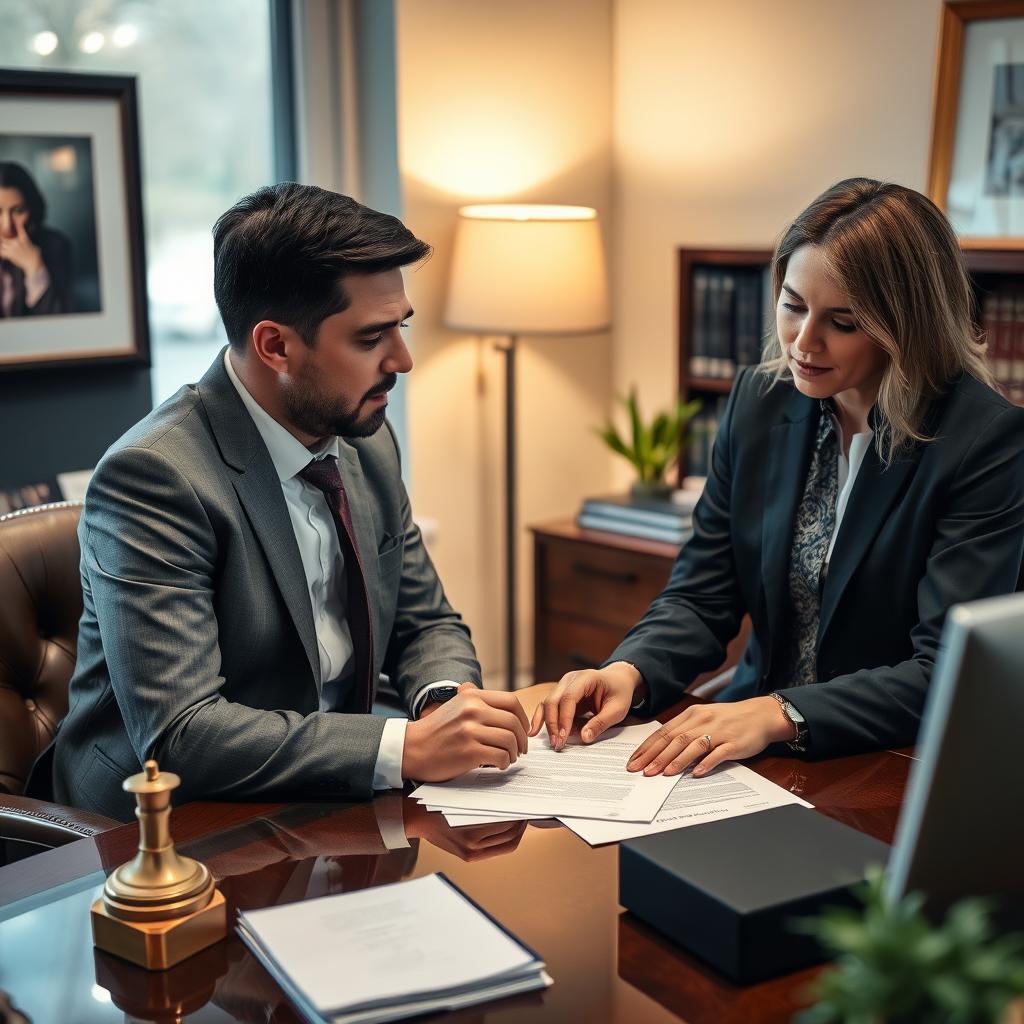
Divorce & Family Law Attorney in Warren County, New York
New York Family Law Statutes
New York family law is primarily codified in the Domestic Relations Law (DRL) and the Family Court Act (FCA). The foundational statute for divorce is DRL § 170, which establishes the grounds, including no-fault based on an irretrievable breakdown for at least six months. Equitable distribution of marital property, maintenance (alimony), and child support are governed by DRL § 236, which provides detailed formulas and factors for the court’s consideration.
Last verified: March 2026 | Warren County Supreme Court | New York State Legislature
Official Legal Resources
For the full text of New York’s family laws, refer to the official state legislature website: New York Domestic Relations Law § 170 (official New York State Legislature). For local court procedures and forms, visit the Warren County Supreme Court website.
Warren County Family Court Process
In Warren County, divorce and equitable distribution matters are heard in the Supreme Court, while custody, support, and family offense petitions are handled in the Family Court. The Supreme Court requires a Request for Judicial Intervention (RJI) for contested cases, triggering a series of mandatory conferences.
- File the initial papers: Prepare and file a Summons with Notice or Summons and Complaint in the Warren County Supreme Court. Pay the $335 index number filing fee and serve the papers on your spouse according to New York law.
- Exchange financial disclosure: Both parties must exchange a sworn Statement of Net Worth detailing all assets, debts, income, and expenses. Automatic restraining orders under DRL § 236 take effect, freezing marital assets.
- Attend mandatory conferences: Participate in preliminary and compliance conferences with the court. Explore settlement through mediation or collaborative law. File a Request for Judicial Intervention (RJI) with a $95 fee if the case is contested.
- Complete discovery and motions: Conduct formal discovery, which may include depositions, interrogatories, and subpoenas. File any necessary motions for temporary orders regarding support, custody, or use of property.
- Proceed to trial or settlement: If settlement is not reached, the case proceeds to trial before a Supreme Court Justice. After trial, the court issues a judgment of divorce addressing all issues of property, support, and custody.
Potential Outcomes in a New York Divorce
In Warren County, divorce can result in equitable distribution of marital property, court-ordered maintenance (alimony) based on a statutory formula, and child support calculated as a percentage of combined parental income.
| Issue | Legal Standard / Classification | Potential Outcome | Financial Impact | Additional Consequences |
|---|---|---|---|---|
| Property Division | Equitable Distribution (DRL § 236) | Fair, not necessarily equal, division of marital assets and debts. | Varies by asset value and debt burden. | Business valuation may be required; retirement accounts divided via QDRO. |
| Spousal Support | Maintenance (Temporary & Post-Divorce) | Calculated via statutory formula based on income and duration of marriage. | Obligor pays a percentage of income to recipient for a defined period. | Modifiable based on substantial change in circumstances. |
| Child Support | Child Support Standards Act (DRL § 240) | 17% of combined income for one child, 25% for two, etc., up to $163,000. | Non-custodial parent pays percentage to custodial parent. | Includes add-ons for healthcare, education, childcare; continues until age 21. |
| Child Custody | Best Interests of the Child | Legal and physical custody determined based on child’s well-being. | May affect child support and tax deductions. | Parenting plan required; relocation restrictions may apply. |
Results may vary. The outcomes described are potential legal results under New York law and depend on the specific facts of each case.
Firm Credentials in Family Law
Law Offices Of SRIS, P.C. was founded in 1997 by former prosecutor Mr. Sris. The firm’s attorneys bring over 120 years of combined legal experience to family law matters. Mr. Sris personally amended Virginia Code § 20-107.3, the equitable distribution statute, demonstrating a deep, practical understanding of property division law that informs our approach to New York cases. Our tagline, “Global advocacy. Local precision,” reflects our commitment to detailed, jurisdiction-specific representation.
Documented Case Results in Warren County
Law Offices Of SRIS, P.C. has 145 total documented case results across all practice areas in Warren County, with a 96% favorable outcome rate. These results include dismissals, reductions in charges, and favorable settlements in family and other legal matters.
Results may vary. Prior results do not aim for a similar outcome in your case.
Local Family Law Representation
Our New York location serves clients at Warren County courts. We are a family law lawyer near Warren County and the Lake George area, accessible via I-87 and Route 9. We serve clients in Lake George, Glens Falls, Queensbury, Bolton Landing, Warrensburg, Chestertown, and North Creek. 24/7 phone consultations — (888) 437-7747 — meetings by appointment only.
Law Offices Of SRIS, P.C.
New York Location — Buffalo/NY area
Warren County, NY
Phone: (888) 437-7747 | Local: (838)-292-0003
By appointment only.
Frequently Asked Questions
What are the grounds for divorce in Warren County, New York?
New York recognizes both fault and no-fault grounds. The most common is no-fault, requiring an irretrievable breakdown of the marriage for at least six months (NY Domestic Relations Law § 170). Fault grounds include adultery, cruel treatment, abandonment, imprisonment, or living apart under a separation decree.
How is child support calculated in Warren County?
It follows a statutory percentage of the combined parental income: 17% for one child, 25% for two, 29% for three, 31% for four, and 35% for five or more. This applies to combined income up to $163,000. The court may order support above that amount based on the child’s needs.
What is equitable distribution in a New York divorce?
Equitable distribution means marital property is divided fairly, but not necessarily equally. The court considers factors like each spouse’s income, contributions to the marriage, and future needs (NY Domestic Relations Law § 236). Separate property acquired before marriage or by gift/inheritance is usually not divided.
How long does a divorce take in Warren County Supreme Court?
An uncontested divorce typically takes 3 to 6 months from filing to judgment. A contested divorce can take 12 to 24 months or longer, depending on case complexity, court schedules, and whether forensic evaluations or extensive discovery are needed.
What are automatic orders in a New York divorce?
Upon filing, automatic restraining orders (DRL § 236) freeze most marital assets and prohibit changes to insurance coverage. These orders prevent either spouse from selling property, changing beneficiaries, or incurring large debts without consent or court approval during the divorce.
Related Legal Resources
For more information, visit our New York Family Law Lawyer hub page. We also represent clients in Warren County criminal defense and Warren County immigration matters. Learn more about Mr. Sris’s background and experience.
Last verified: March 2026. Information updated as of 2026-02-15. Laws change — contact Law Offices Of SRIS, P.C. at (888) 437-7747 for current guidance.