
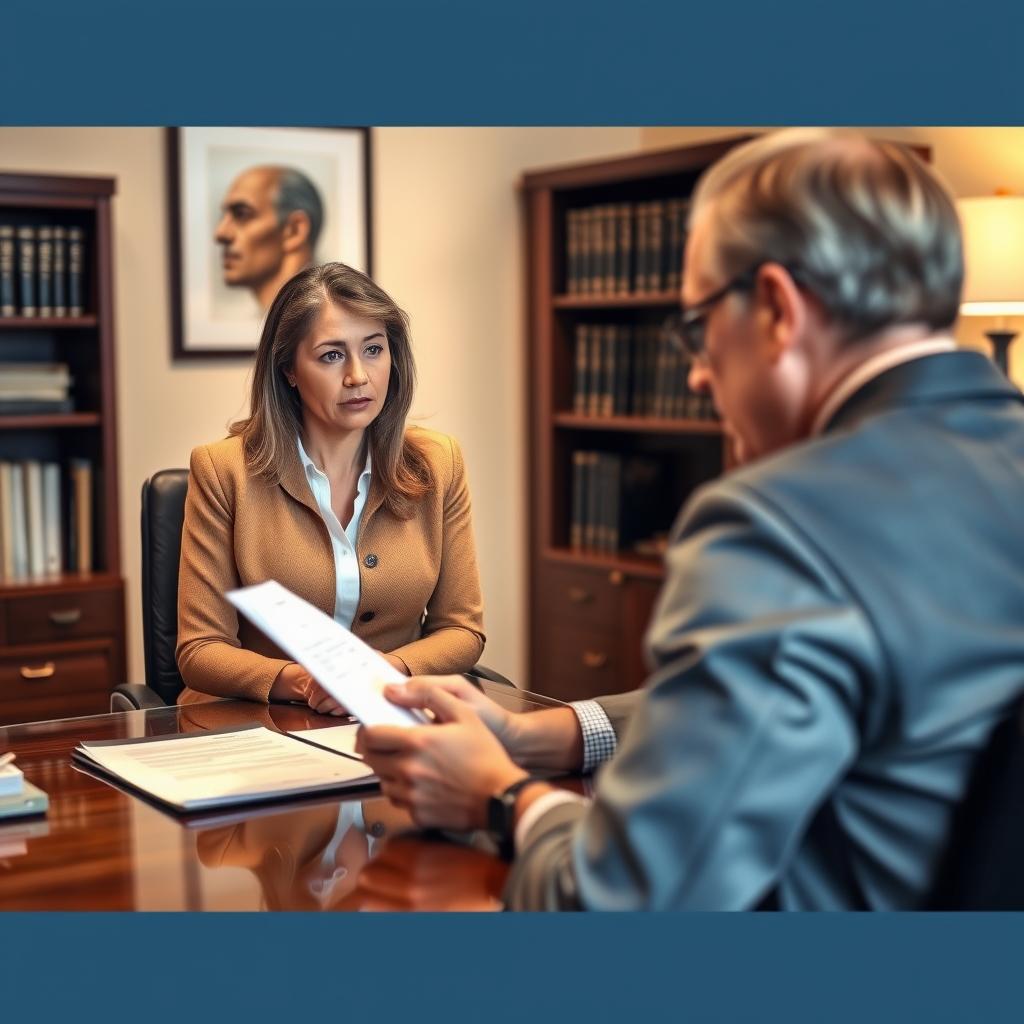
Fault Based Divorce Lawyer Warren County — What Are Your Grounds?
A fault based divorce in Warren County requires proving specific grounds like adultery, cruelty, or abandonment under New York Domestic Relations Law § 170. This path can affect alimony and property division. Law Offices Of SRIS, P.C. provides focused representation for fault-based cases in Warren County Supreme Court. Our fault based divorce lawyer Warren County team offers 24/7 consultations.
Last verified: April 2026 | Warren County Supreme Court | New York State Legislature
In New York, a fault-based divorce is one where one spouse must prove the other committed a specific marital wrong that justifies ending the marriage. Unlike a no-fault divorce, which requires only an irretrievable breakdown for six months, a fault divorce alleges misconduct. The grounds are defined in New York Domestic Relations Law (DRL) § 170. Successfully proving fault can influence the court’s decisions on spousal support (maintenance) and the equitable distribution of marital assets. If you are considering this route, consulting with a fault based divorce lawyer Warren County is a critical first step.
The Warren County Supreme Court handles all divorce filings, including those based on fault grounds. You can find official court forms and procedural information on the Warren County Supreme Court website.
Fault Grounds for Divorce in New York
New York law recognizes several specific fault grounds. A fault grounds for divorce lawyer Warren County can evaluate which, if any, apply to your situation and the evidence required to prove them.
- Adultery: Voluntary sexual intercourse by your spouse with someone other than you during the marriage. Proof can be challenging, often requiring circumstantial evidence.
- Cruel and Inhuman Treatment: Conduct that endangers your physical or mental well-being to the extent it becomes unsafe or improper to continue cohabitation. This can include physical abuse, threats, or severe emotional abuse.
- Abandonment: Your spouse has left you for one or more years with the intent to abandon the marriage. Constructive abandonment occurs if they refuse sexual relations for one year without justification.
- Imprisonment: Your spouse has been imprisoned for three or more consecutive years after the marriage.
- Divorce After a Separation Decree or Judgment: Living under a separation decree or judgment for one year.
- Consult a Lawyer: Discuss your situation with an at-fault divorce lawyer Warren County to assess viable grounds and evidence.
- Gather Evidence: Collect documents, communications, photos, or other proof supporting your fault claim.
- File a Summons with Notice or Summons and Complaint: Initiate the divorce action in Warren County Supreme Court, specifying the fault grounds.
- Serve Your Spouse: Ensure proper legal service of the divorce papers.
- Proceed Through Litigation: Be prepared for discovery, motions, and potentially a trial to prove the alleged fault.
- Address Financial Issues: Fault can be a factor in arguments for unequal distribution of assets or spousal support awards.
Why Choose a Fault-Based Divorce?
Choosing a fault-based divorce is a strategic decision. An at-fault divorce lawyer Warren County can advise that while it adds complexity, it may be advantageous in certain cases. Proving fault can affect the court’s discretion on spousal maintenance (alimony) under DRL § 236, potentially skilled to a more favorable award for the innocent spouse. It can also influence the equitable distribution of marital property, though New York is an equitable distribution state, not a community property state. For some clients, it is a matter of principle or a necessary step when the six-month waiting period for a no-fault divorce is not acceptable.
Founded in 1997, Law Offices Of SRIS, P.C. operates on the principle of “Advocacy Without Borders.” With over 120 years of combined attorney experience, our firm has documented more than firm-wide 4,739 case results across all practice areas with a 93%+ favorable outcome rate. In Warren County, we have 145 total documented case results across all practice areas with a 96% favorable outcome rate. Results may vary. Prior results do not guarantee a similar outcome.
Law Offices Of SRIS, P.C. — New York
50 Fountain Plaza, Suite 1400, Buffalo, New York 14202 Office No. 142, Buffalo, NY 14202
Toll-Free: (888) 437-7747 | Local: (838)-292-0003
By appointment only. 24/7 phone consultations.
Our New York location serves clients with matters at Warren County Supreme Court. We provide legal support for residents in Lake George, Glens Falls, Queensbury, Bolton Landing, Warrensburg, Chestertown, and North Creek. As a dedicated fault based divorce lawyer Warren County resource, we offer accessible consultations.
Fault Based Divorce Lawyer Warren County FAQ
What is the difference between fault and no-fault divorce in New York?
Yes. A no-fault divorce requires only that the relationship has broken down irretrievably for six months. A fault divorce requires proving one of the specific grounds listed in DRL § 170, such as adultery or cruelty, which can impact spousal support and property decisions.
Is it harder to get a fault-based divorce in Warren County?
It depends. A fault divorce requires more evidence and litigation than an uncontested no-fault divorce. You must prove the alleged misconduct to the court’s satisfaction, which often involves witness testimony, documents, and a trial. An at-fault divorce lawyer Warren County can manage this process.
How does fault affect alimony in New York?
Yes, fault can affect alimony (maintenance). Under DRL § 236, the court may consider the misconduct of either party when awarding maintenance. Proven fault, such as adultery or cruelty, can lead to a higher award for the innocent spouse or reduce or deny an award to the at-fault spouse.
What evidence do I need for a cruelty divorce?
You need evidence showing a course of conduct that endangered your physical or mental health. This can include police reports, medical records, photographs of injuries, threatening messages or emails, and testimony from witnesses like family, friends, or therapists. A fault grounds for divorce lawyer Warren County can help compile this evidence.
Can I switch from a fault to a no-fault divorce?
It depends on the stage of your case. Often, you can amend your complaint or reach a settlement that allows the divorce to proceed on no-fault grounds. This may require agreement from your spouse or court permission. Consulting with a fault based divorce lawyer Warren County is key to handling this change.
For more information, see our New York Family Law hub page. We also assist with criminal defense in Warren County and immigration matters.
Last verified: April 2026. Information is current as of this date. Laws change — contact Law Offices Of SRIS, P.C. at (888) 437-7747 for updated guidance.