
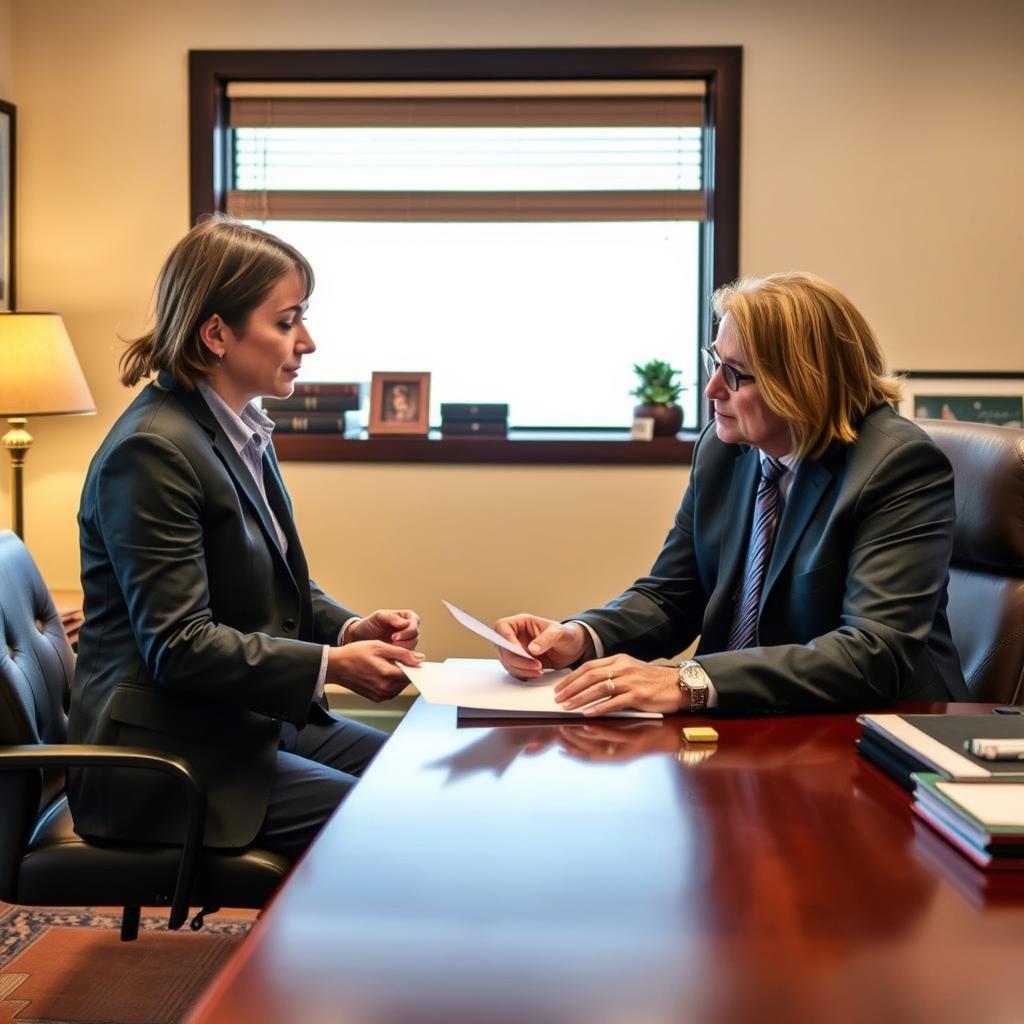
Fault Based Divorce Lawyer Rappahannock County — What Are Your Grounds?
A fault based divorce in Rappahannock County requires proving specific misconduct like adultery or cruelty under Va. Code § 20-91. This fault based divorce lawyer Rappahannock County from Law Offices Of SRIS, P.C. has 40 documented case results in the county. Fault grounds can impact spousal support and property division. We provide 24/7 consultations.
Last verified: April 2026 | Rappahannock County Circuit Court | Virginia General Assembly
In Virginia, a fault-based divorce is a legal dissolution of marriage granted because one spouse committed a marital wrong that caused the breakdown of the marriage. Unlike a no-fault divorce, which requires a separation period, fault grounds allow for immediate filing. The specific grounds are defined by statute and must be proven with evidence in court. A fault based divorce lawyer Rappahannock County is essential to handle the evidentiary requirements and procedural rules of the Rappahannock County Circuit Court.
The primary Virginia statute governing divorce grounds is Va. Code § 20-91. The court handling these cases is the Rappahannock County Circuit Court. Law Offices Of SRIS, P.C. was founded in 1997 by former prosecutor Mr. Sris, who personally amended Virginia’s equitable distribution statute, Va. Code § 20-107.3.
Fault Grounds for Divorce in Rappahannock County
Virginia law recognizes several specific fault grounds for divorce. Each requires a different standard of proof and has unique procedural implications. An at-fault divorce lawyer Rappahannock County can advise on which ground applies to your situation and the evidence needed.
- File a Complaint: Draft and file a Complaint for Divorce with the Rappahannock County Circuit Court clerk, specifying the fault ground.
- Serve Your Spouse: Ensure your spouse is properly served with the complaint and a summons.
- Gather Evidence: Work with your attorney to collect admissible evidence proving the alleged misconduct.
- Attend Hearings: Participate in any pre-trial hearings or discovery proceedings.
- Present Your Case: If the case is contested, present evidence and witness testimony at a trial before the judge.
- Obtain the Decree: If successful, the court will enter a final decree of divorce.
Potential Impacts of a Fault-Based Divorce
In Rappahannock County, proving fault in a divorce can influence spousal support awards and the equitable division of marital property under Virginia law.
| Fault Ground | Legal Definition (Va. Code § 20-91) | Potential Impact on Divorce |
|---|---|---|
| Adultery | Voluntary sexual intercourse by either spouse with someone other than the other spouse. | May bar the adulterous spouse from receiving spousal support; can affect property division. |
| Cruelty | Reasonable apprehension of bodily hurt or willful conduct that endangers life, health, or well-being. | Can justify an immediate divorce without separation; may influence custody and support. |
| Willful Desertion | One spouse abandons the other without justification for one year or more. | The deserted spouse may be awarded a larger share of marital assets or spousal support. |
| Felony Conviction | One spouse is convicted of a felony, sentenced to confinement for more than one year, and confined after the conviction. | Provides grounds for divorce; may affect financial settlements. |
Results may vary. Prior results do not guarantee a similar outcome.
Why Choose Our Firm for Your Fault-Based Divorce
Founded in 1997, Law Offices Of SRIS, P.C. brings over 120 years of combined legal experience to complex family law matters. Our firm’s founder, Mr. Sris, is a former prosecutor who personally amended Virginia’s key equitable distribution statute, Va. Code § 20-107.3. This deep legislative and courtroom experience is critical when arguing fault grounds, as these cases often hinge on precise legal arguments and persuasive evidence presentation. We understand the high stakes involved in proving misconduct and its effect on your financial future.
Our firm has a documented record of favorable outcomes. In Rappahannock County, we have 40 total documented case results across all practice areas with a 98% favorable outcome rate. Mr. Sris, the firm’s managing attorney and a former prosecutor with multi-state bar admissions, provides strategic oversight on complex fault-based cases. His firsthand experience amending Virginia family law statutes offers a unique advantage in litigation.
Law Offices Of SRIS, P.C.
4008 Williamsburg Ct, Fairfax, VA 22032
Toll-Free: (888) 437-7747 | Local: (703) 636-5417
By appointment only.
Our Fairfax location serves clients at the Rappahannock County courts (250 Gay Street). We represent individuals in Washington, Sperryville, and Flint Hill. 24/7 phone consultations are available at (888) 437-7747 — meetings are by appointment only.
Fault Based Divorce Lawyer Rappahannock County FAQ
What are the fault grounds for divorce in Virginia?
Yes. Virginia’s fault grounds are adultery, cruelty, willful desertion for one year, and felony conviction with imprisonment. These are defined in Va. Code § 20-91 and require proof in court, unlike no-fault divorces based on separation.
How do I prove adultery in a Virginia divorce?
It depends. Direct evidence is rare. Courts often rely on circumstantial evidence that leads to a conclusion of adultery, such as texts, emails, witness testimony, or private investigator reports. An at-fault divorce lawyer Rappahannock County can help gather and present admissible evidence to meet the clear and convincing standard.
Does proving fault guarantee I will get more property or support?
No. Proving fault is one factor a judge may consider under Va. Code § 20-107.3 for equitable distribution and § 20-107.1 for spousal support. It can influence the outcome, but Virginia courts weigh multiple statutory factors. Fault does not guarantee a specific financial result.
Can I file for a fault-based divorce immediately?
Yes. For grounds like adultery or cruelty, you can file immediately without any mandatory separation period. This is a key difference from a no-fault divorce, which requires a 6-month or 1-year separation before filing.
What if my spouse denies the fault allegations?
Your case becomes contested. You must proceed to trial and present sufficient evidence to convince the judge. If you fail to meet the burden of proof, the court will not grant a divorce on fault grounds. You may then need to rely on a no-fault ground after a separation period.
For more information, see our Virginia Family Law hub page. We also assist with criminal defense in Rappahannock County and DUI defense.
Last verified: April 2026. Laws change — contact Law Offices Of SRIS, P.C. at (888) 437-7747 for current guidance.