
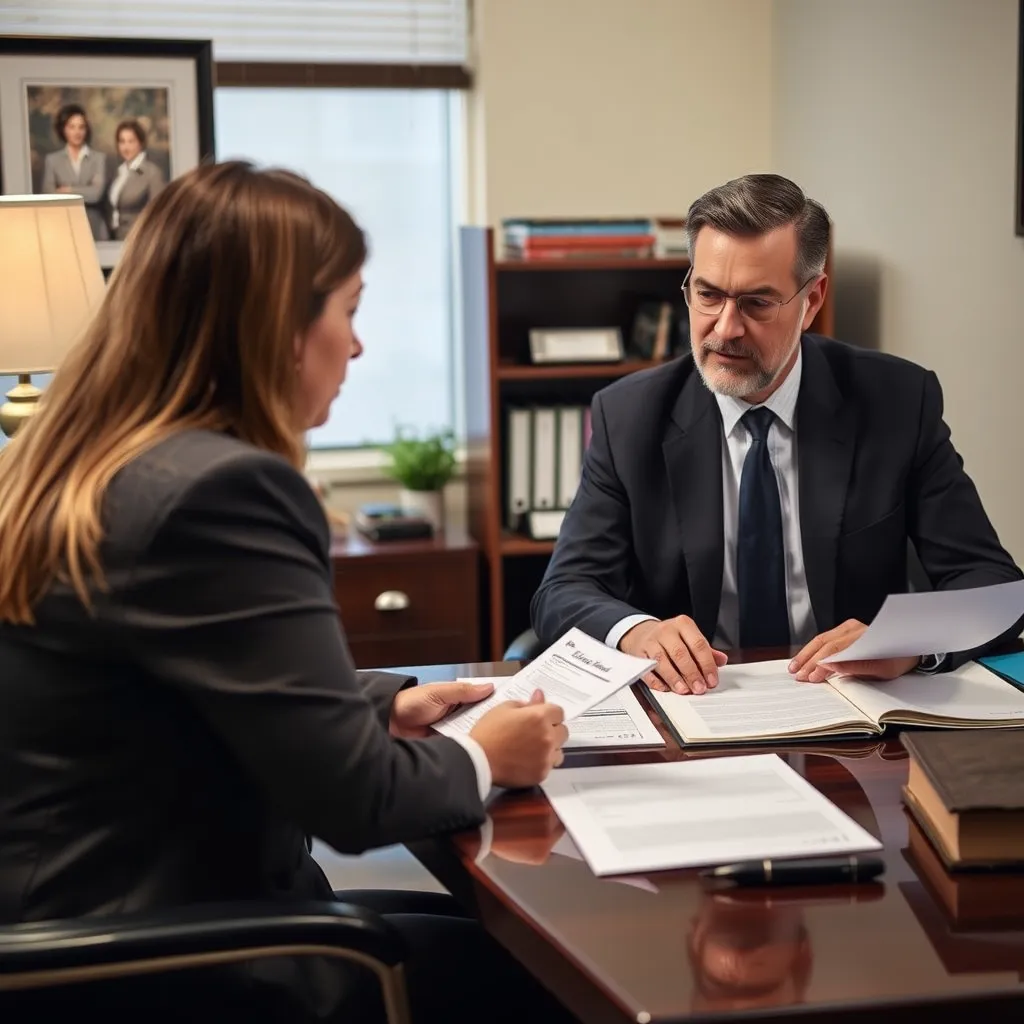
Note: This article is confirmed by Law Offices Of SRIS, P.C.
WRITTEN BY: Mr. Sris
Since 1997, Mr. Sris has led the firm, focusing on the most challenging criminal and family law cases… His background in accounting and information management aids in financial and technology-related cases… Involved in significant legislative changes in Virginia.
Insight: My focus since founding the firm in 1997 has always been directed towards personally handling the most challenging and involved criminal and family law matters our clients face.
Insight: I find my background in accounting and information management provides a unique advantage when handling the intricate financial and technological aspects inherent in many modern legal cases.
Insight: As someone deeply involved in the community, I believe it’s important to not only practice law but also to actively participate in shaping it, which is why I dedicated effort towards amending Virginia Code § 20-107.3 and achieving state recognition for cultural milestones.
Domesticating Foreign Divorce Decree Lawyer Virginia
What is Virginia recognition of foreign divorce
When a divorce occurs outside the United States, Virginia courts do not automatically accept that judgment. The foreign divorce decree must undergo a legal process called domestication. This process validates the international judgment within Virginia’s legal system. Without proper recognition, the divorce may not be legally binding in Virginia.
The domestication process begins with gathering all relevant documents from the foreign court. These typically include the final divorce decree, marriage certificate, and any supporting judgments. The documents must be translated into English if originally in another language. Certified translations are often required for court acceptance.
Virginia courts examine several factors when considering foreign divorce recognition. The court reviews whether the foreign court had proper jurisdiction over the case. Jurisdiction typically requires that at least one spouse was a resident of that country. The court also examines whether both parties received proper notice of the divorce proceedings.
Legal standards for foreign divorce recognition vary by jurisdiction. Virginia follows principles of comity, which means respecting judgments from other countries’ courts. However, Virginia courts will not recognize foreign divorces that violate Virginia public policy. This includes divorces obtained through fraud or without proper legal procedures.
Proper documentation is vital for successful recognition. The foreign divorce decree must be authenticated according to international standards. This often involves apostille certification or consular legalization. The authentication process verifies the document’s legitimacy for use in Virginia courts.
Real-Talk Aside: This process can be confusing. Many people assume foreign divorces automatically work here. They don’t.
How to domesticate a foreign divorce decree in Virginia
The domestication process starts with identifying the correct Virginia court. Typically, you file in the circuit court where you currently reside. If you no longer live in Virginia, you may file where the other party resides. The court must have personal jurisdiction over the parties involved.
Prepare the necessary legal documents for filing. The primary document is a petition for recognition of foreign judgment. This petition asks the Virginia court to formally accept the foreign divorce decree. Include all relevant facts about the foreign divorce proceedings.
Gather and authenticate all supporting documents. Obtain certified copies of the foreign divorce decree from the original court. Have these documents translated into English if necessary. The translations must be certified by qualified translators. Authentication may require apostille certification or consular legalization.
File the petition and supporting documents with the court clerk. Pay any required filing fees. The court will assign a case number and schedule proceedings. You must serve proper notice to the other party if they reside in Virginia. Service requirements follow Virginia civil procedure rules.
The court reviews the petition and documents. Judges examine whether the foreign court had proper jurisdiction. They verify that both parties received adequate notice of the original proceedings. The court ensures the foreign judgment doesn’t violate Virginia public policy.
If the court approves the petition, it issues an order recognizing the foreign divorce. This order gives the foreign decree full legal effect in Virginia. The recognized judgment can then be enforced like any Virginia divorce decree. This includes matters like property division and support obligations.
Real-Talk Aside: Paperwork errors can delay everything. Missing one document means starting over.
Can I handle foreign decree recognition without a lawyer
Technically, Virginia law allows individuals to represent themselves in court proceedings. This includes petitions for foreign divorce recognition. However, the process involves multiple legal requirements that can be difficult to handle alone. Court procedures have specific rules about filing, documentation, and presentation.
The documentation requirements present significant challenges. Foreign divorce decrees must be properly authenticated for Virginia courts. This often involves international certification processes like apostilles. Documents in foreign languages require certified translations. These translation services must meet court standards for accuracy and certification.
Court procedures require understanding of Virginia civil rules. Filing deadlines, service requirements, and hearing procedures all follow specific guidelines. Missing any procedural step can result in dismissal of the petition. The court may require resubmission of documents or restarting the entire process.
Legal arguments for recognition require understanding of Virginia family law. Courts examine whether the foreign judgment meets Virginia’s legal standards. This includes analysis of jurisdiction, notice, and public policy considerations. Presenting these arguments effectively requires legal knowledge and experience.
Potential complications can arise during the process. The other party may contest the recognition petition. They might argue the foreign court lacked jurisdiction or proper procedures weren’t followed. Defending against such challenges requires legal response and evidence presentation.
Time and cost considerations are important. While self-representation avoids attorney fees, mistakes can lead to additional court costs and delays. Failed petitions require refiling and additional court appearances. Professional legal help often proves more efficient in the long term.
Real-Talk Aside: Court clerks can’t give legal advice. They can only explain forms, not strategy.
Why hire legal help for foreign decree lawyer Virginia
Professional legal assistance brings experience with Virginia court systems. Attorneys familiar with foreign judgment recognition understand what courts require. They know which judges handle these cases and their specific preferences. This knowledge helps streamline the recognition process.
Document preparation and authentication benefit from legal guidance. Lawyers know the exact requirements for foreign document acceptance. They work with certified translators and authentication services regularly. This ensures documents meet all court standards on the first submission.
Legal strategy development is important for successful recognition. Attorneys analyze the foreign divorce decree for potential issues. They identify any aspects that might concern Virginia courts. Proactive addressing of these issues improves chances of successful recognition.
Court representation provides professional advocacy. Lawyers present arguments effectively to judges. They respond to any questions or concerns the court raises. If the other party contests the recognition, legal representation becomes particularly valuable.
Time management and efficiency improve with legal help. Attorneys handle all court filings and deadlines. They coordinate document preparation and authentication processes. This allows clients to focus on other matters while the legal process moves forward.
Cost considerations often favor professional assistance in the long term. While there are initial legal fees, successful recognition avoids future complications. Unrecognized foreign divorces can create problems with remarriage, property rights, and other legal matters. Proper recognition prevents these issues.
Real-Talk Aside: Trying to save money upfront can cost more later. Fixing recognition problems is harder than doing it right initially.
FAQ:
1. What documents do I need for foreign divorce recognition?
You need the original foreign divorce decree, marriage certificate, and any supporting judgments. All documents require proper authentication and English translation if needed.
2. How long does the recognition process take?
The process typically takes several months. Timing depends on court schedules, document preparation, and whether the other party contests the recognition.
3. Can Virginia refuse to recognize my foreign divorce?
Yes, Virginia courts can refuse recognition if the foreign judgment violates state public policy or if proper procedures weren’t followed in the original divorce.
4. What if my spouse contests the recognition?
If your spouse contests, the court will hold hearings. You’ll need to present evidence showing the foreign court had proper jurisdiction and followed correct procedures.
5. Do I need to be present in Virginia for the process?
Physical presence isn’t always required. Your attorney can handle most court proceedings. However, you may need to appear for certain hearings or provide sworn statements.
6. What happens after recognition is granted?
The court issues an order recognizing the foreign divorce. This order has the same legal effect as a Virginia divorce decree for all matters within the state.
7. Can I remarry in Virginia after foreign divorce recognition?
Yes, once the foreign divorce is recognized by a Virginia court, you are legally divorced in Virginia and can remarry according to state law.
8. What if my foreign divorce included property division?
Property division terms in the foreign divorce become enforceable in Virginia after recognition. The court order allows enforcement of those terms within the state.
9. How much does foreign divorce recognition cost?
Costs vary based on case challenge. Expenses include court fees, document authentication, translation services, and legal fees if you hire an attorney.
10. Can I recognize a foreign divorce from any country?
Virginia can recognize divorces from most countries. However, recognition depends on whether the foreign court followed proper legal procedures and had appropriate jurisdiction.
11. What if my foreign divorce documents are in another language?
Documents in foreign languages require certified English translations. The translations must be completed by qualified translators and submitted with the original documents.
12. How do I prove the foreign court had jurisdiction?
You provide evidence showing at least one spouse was a resident of that country when the divorce was granted. This can include residency documents, employment records, or other proof.
Past results do not predict future outcomes