
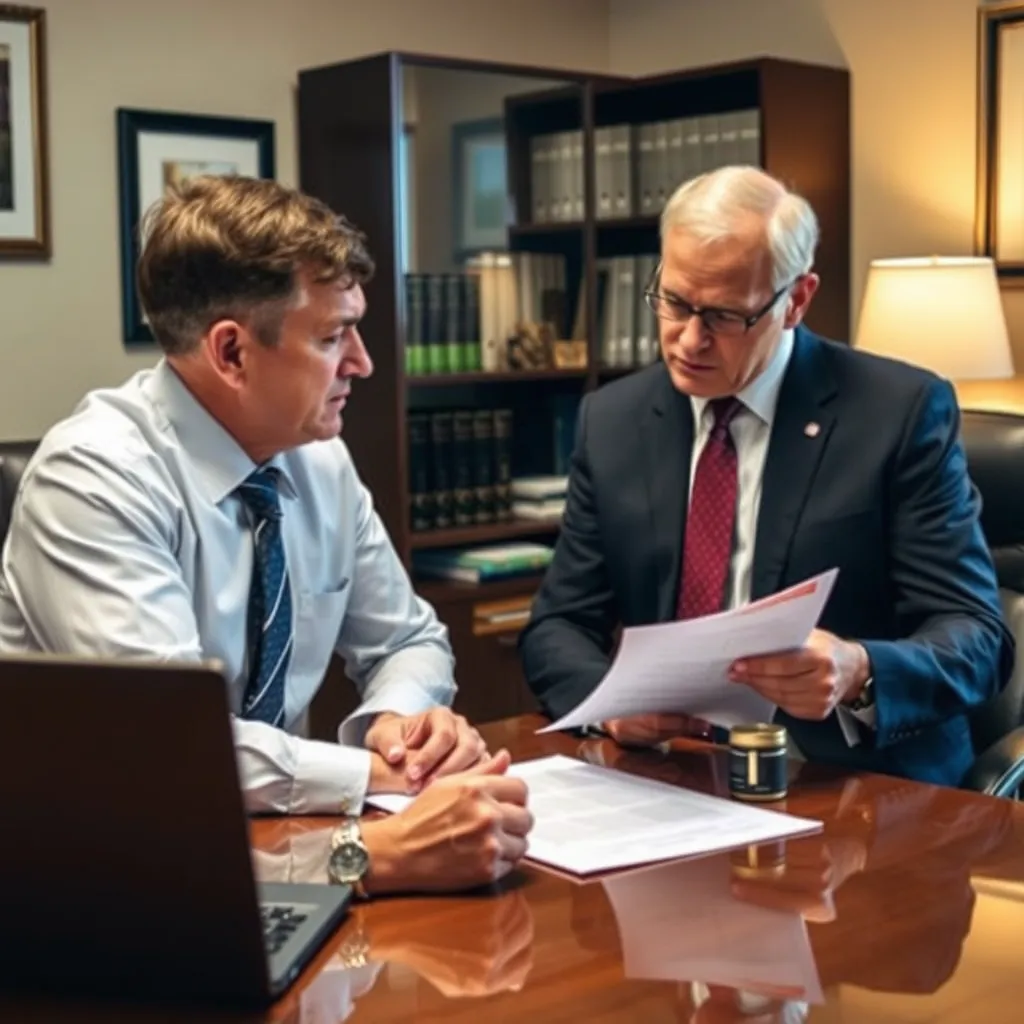
Note: This article is confirmed by Law Offices Of SRIS, P.C.
WRITTEN BY: Mr. Sris
Since 1997, Mr. Sris has led the firm, focusing on the most challenging criminal and family law cases. His background in accounting and information management aids in financial and technology-related cases. Involved in significant legislative changes in Virginia. He finds his background in accounting and information management provides a unique advantage when handling the intricate financial and technological aspects inherent in many modern legal cases.
divorce decree enforcement lawyer Alexandria VA
What is decree enforcement lawyer Alexandria VA
Decree enforcement involves the legal process of ensuring compliance with court orders issued during divorce proceedings. When a divorce is finalized, the court issues a decree outlining specific obligations for both parties. This document becomes legally binding, and failure to follow its terms can lead to enforcement actions.
Common enforcement issues include missed spousal support payments, failure to transfer property as ordered, or refusal to follow custody arrangements. Virginia law provides several mechanisms to address non-compliance, including contempt proceedings, wage garnishment, property liens, and license suspension. Each method has specific requirements and procedures that must be followed precisely.
Legal professionals begin by reviewing the original decree and documenting violations. They gather evidence of non-compliance, such as payment records, communication attempts, and financial documentation. This evidence forms the basis for enforcement petitions filed with the court that issued the original order.
Virginia courts take enforcement seriously because court orders maintain the integrity of the judicial system. Judges have authority to impose various remedies, including monetary penalties, interest on overdue amounts, and even incarceration for willful contempt. The enforcement process requires careful attention to procedural rules and deadlines.
Real-Talk Aside: Court orders mean nothing without enforcement. If your ex isn’t following the decree, legal action is often the only way to make them comply.
How to spousal support enforcement lawyer Alexandria VA
Spousal support enforcement begins when payments are missed or become irregular. The first step involves documenting the violation thoroughly. Keep detailed records of payment dates, amounts received, and any communication about missed payments. This documentation becomes vital evidence in enforcement proceedings.
Legal professionals typically start with formal demand letters outlining the violation and requesting immediate compliance. These letters serve as official notice and can sometimes resolve issues without court involvement. If informal methods fail, attorneys file enforcement petitions with the court that issued the original support order.
Virginia offers several enforcement tools for spousal support. Income withholding orders allow direct deduction from the paying party’s wages. The court can also place liens on property, intercept tax refunds, or suspend professional licenses. For willful non-payment, contempt proceedings may lead to fines or incarceration.
The enforcement process requires specific documentation, including the original support order, payment records, and evidence of ability to pay. Courts consider whether non-payment was willful or resulted from changed circumstances. Legal representation helps present this information effectively and handle procedural requirements.
Real-Talk Aside: Missed support payments don’t fix themselves. Legal action is usually necessary to get payments flowing again and recover what’s owed.
Can I divorce decree enforcement lawyer Alexandria VA
Individuals facing non-compliance with divorce decrees can seek legal assistance to enforce court orders. The first consideration is whether the violation is substantial enough to warrant enforcement action. Minor delays or temporary issues might be addressed through communication, while persistent or significant violations typically require legal intervention.
Legal professionals evaluate several factors before recommending enforcement. They review the original decree terms to ensure clarity and enforceability. Some orders contain ambiguous language that complicates enforcement. They also assess whether the violating party has the ability to comply or if circumstances have genuinely changed.
Virginia law requires specific procedures for enforcement actions. Petitions must be filed in the court that issued the original order, and proper notice must be given to the other party. Evidence must be organized and presented according to court rules. Missing procedural steps can delay or derail enforcement efforts.
Common questions involve timing – how long to wait before taking action, what evidence is needed, and what remedies are available. Legal guidance helps answer these questions based on individual circumstances. Attorneys also explain potential costs and timeframes for different enforcement approaches.
Real-Talk Aside: Waiting too long to address violations can make enforcement harder. Document everything and get legal advice early when orders aren’t being followed.
Why hire legal help for divorce decree enforcement lawyer Alexandria VA
Professional legal assistance provides several advantages in enforcement matters. Attorneys understand the specific requirements of Virginia enforcement procedures. They know which forms to file, what evidence to present, and how to frame arguments effectively. This knowledge helps avoid common pitfalls that can delay or undermine enforcement efforts.
Legal representation ensures proper documentation and organization of evidence. Attorneys help gather financial records, payment histories, and communication evidence. They prepare this information in formats courts require and present it persuasively. Proper documentation strengthens enforcement petitions and responses to defenses.
Court proceedings involve specific rules and protocols. Attorneys handle filings, serve proper notice, and meet deadlines. They represent clients during hearings and negotiations. This representation is particularly valuable when facing opposition from the other party or their legal counsel.
Attorneys also help evaluate settlement options and negotiate resolutions. Sometimes enforcement matters can be resolved through modified agreements rather than contested proceedings. Legal professionals assess whether proposed settlements protect client interests adequately.
Real-Talk Aside: Trying to handle enforcement alone often leads to mistakes that delay results. Professional help gets things done correctly the first time.
FAQ:
1. What happens if my ex doesn’t follow our divorce decree?
The court can enforce the order through various methods including wage garnishment, property liens, or contempt proceedings.
2. How long does enforcement take in Virginia?
Timing varies based on case challenge, but initial filings typically take weeks with hearings scheduled within months.
3. What evidence do I need for enforcement?
You need the original decree, payment records, communication about violations, and financial documentation showing ability to pay.
4. Can enforcement affect child support too?
Yes, similar procedures apply to child support enforcement with additional federal tools available.
5. What if my ex claims they can’t afford payments?
The court will examine financial documentation to determine if inability to pay is genuine or constitutes willful violation.
6. Are there costs for enforcement actions?
Filing fees apply, and attorney costs vary based on case challenge and required court appearances.
7. Can I handle enforcement without a lawyer?
While possible, procedural errors are common without legal knowledge, potentially delaying results.
8. What remedies are available for non-compliance?
Remedies include wage withholding, property liens, license suspension, monetary penalties, and contempt findings.
9. How do I start enforcement proceedings?
Begin by documenting violations thoroughly, then consult an attorney about filing the appropriate enforcement petition.
10. What if the decree terms are unclear?
Attorneys can help clarify ambiguous terms through interpretation requests or modification petitions if needed.
Past results do not predict future outcomes