
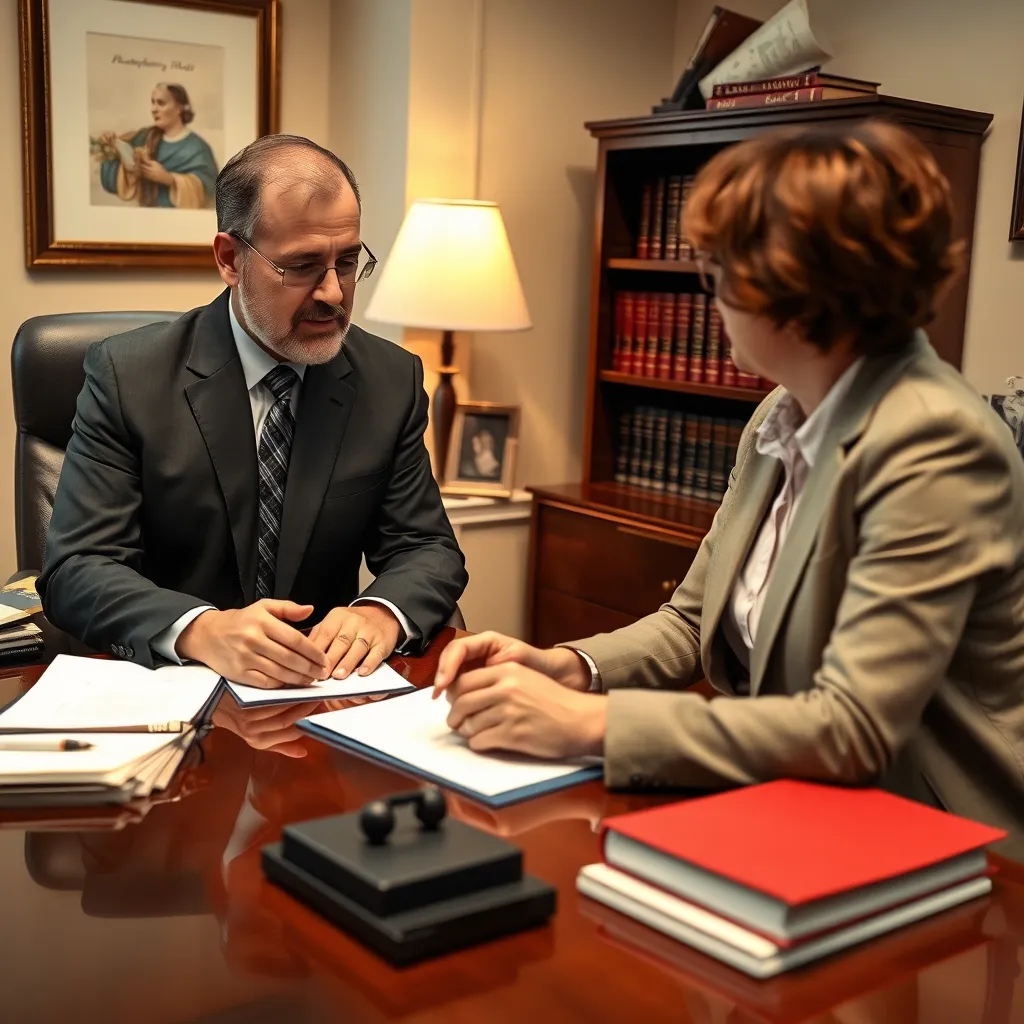
Note: This article is confirmed by Law Offices Of SRIS, P.C.
AUTHOR BIO:WRITTEN BY
Since 1997, Mr. Sris has led the firm, focusing on the most challenging criminal and family law cases… His background in accounting and information management aids in financial and technology-related cases… Involved in significant legislative changes in Virginia.
Insight: My focus since founding the firm in 1997 has always been directed towards personally handling the most challenging and involved criminal and family law matters our clients face.
Insight: I find my background in accounting and information management provides a unique advantage when handling the intricate financial and technological aspects inherent in many modern legal cases.
Insight: As someone deeply involved in the community, I believe it’s important to not only practice law but also to actively participate in shaping it, which is why I dedicated effort towards amending Virginia Code § 20-107.3 and achieving state recognition for cultural milestones.
catholic annulment lawyer Manassas VA
What is Catholic Annulment
A Catholic annulment, formally called a declaration of nullity, determines whether a marriage met the requirements for validity under Church law. Unlike civil divorce which ends a valid marriage, annulment examines whether the marriage was ever sacramentally valid. The Church recognizes several grounds for annulment including lack of proper consent, psychological incapacity to fulfill marital obligations, or canonical impediments that prevented a valid union.
The annulment process begins with submitting a formal petition to the diocesan tribunal. This document outlines the reasons why the marriage should be declared null. Evidence must support the claims, including witness testimony, documents, and attorney evaluations when needed. The tribunal examines whether essential elements for marriage were missing at the time of the wedding ceremony.
Common grounds include lack of due discretion (inability to understand marriage commitments), lack of due competence (inability to fulfill marital obligations), or force and fear that compromised free consent. Psychological factors, such as personality disorders or substance abuse issues that prevented fulfilling marital duties, may also support annulment petitions.
Church law requires careful documentation and presentation of evidence. The process typically involves multiple stages including initial petition, collection of evidence, tribunal review, and final decision. Both parties generally have the right to participate, though one party can proceed without the other’s cooperation in many cases.
How to Obtain Catholic Annulment
Begin by consulting with your parish priest or diocesan tribunal to understand local procedures. Each diocese has specific requirements and forms. Collect essential documents including your marriage certificate, civil divorce decree (if applicable), baptismal certificates, and any previous annulment documents. These establish the basic facts of the marriage and religious status.
Complete the formal petition, known as the libellus, which states the grounds for annulment and provides a narrative of the marriage. This document must clearly articulate why the marriage lacked validity from its beginning. Common grounds include lack of due discretion, psychological incapacity, or canonical impediments. The petition should reference specific Church law provisions supporting your claims.
Gather supporting evidence including witness statements from people who knew you before and during the marriage. These witnesses can provide insight into your understanding of marriage commitments and ability to fulfill them. Documentation such as medical records, counseling reports, or legal documents may support claims of psychological issues or external pressures.
The tribunal appoints a defender of the bond who argues for the marriage’s validity. Your advocate presents evidence supporting nullity. Proceedings may include interviews, written questions, and formal hearings. The tribunal evaluates all evidence before issuing a decision, which can be appealed by either party.
Can I Remarry After Annulment
Once an annulment is granted and all appeals periods have expired, the Church considers both parties free to marry. The declaration of nullity means the previous marriage is recognized as invalid, removing the impediment to new marriage. However, several conditions must be satisfied before proceeding with remarriage in the Church.
First, ensure the annulment is completely finalized. Most decisions have appeal periods during which the other party can challenge the ruling. Only after this period expires without appeal, or after any appeals are resolved, is the annulment considered definitive. Your diocesan tribunal can confirm the status of your case.
Both parties to the new marriage must be free to marry under Church law. This means neither has any other impediments such as prior marriages without annulments, religious vows, or close blood relationships. If either party has previous marriages, those must also be addressed through annulment or dissolution processes.
Standard marriage preparation requirements apply to all Catholic marriages following annulment. These typically include pre-marital counseling, completion of marriage preparation programs, and meeting with parish priests. The Church emphasizes proper preparation to help ensure the success of the new marriage.
Documentation of the annulment will be required when preparing for the new marriage. The parish handling the wedding will need official documentation from the tribunal confirming the annulment. This ensures all canonical requirements are satisfied before proceeding with the marriage ceremony.
Why Hire Legal Help for Annulment
Church annulment proceedings involve specific canonical requirements that differ from civil legal processes. Attorneys familiar with Church law understand the grounds for nullity, evidence standards, and tribunal procedures. This knowledge helps present your case effectively to Church authorities who make decisions based on canonical principles rather than civil law standards.
Proper documentation is essential for annulment petitions. Legal professionals help gather and organize evidence including witness statements, medical records, and other documentation supporting your claims. They ensure forms are completed accurately and submitted according to diocesan requirements. Mistakes in documentation can delay proceedings or weaken your case.
Evidence presentation requires understanding what tribunals consider persuasive. Attorneys help develop compelling narratives that connect facts to canonical grounds for nullity. They assist with witness preparation, ensuring testimony addresses relevant Church law considerations. Professional guidance improves the likelihood of presenting a strong, coherent case to tribunal judges.
The annulment process often intersects with civil legal matters. Attorneys help address issues such as property division, child custody, and support arrangements that may be affected by annulment proceedings. Coordinating Church and civil aspects ensures comprehensive handling of all marital dissolution matters.
FAQ:
What is the difference between divorce and annulment?
Divorce ends a valid marriage while annulment declares it was invalid from the beginning under Church law.
How long does the annulment process take?
Typically 12-24 months depending on diocese, case challenge, and evidence availability.
Can I get an annulment if my spouse doesn’t cooperate?
Yes, proceedings can continue without spouse participation though their input is valuable.
What grounds are accepted for annulment?
Lack of consent, psychological incapacity, canonical impediments, or force/fear affecting free choice.
Do I need to be divorced civilly first?
Civil divorce is generally required before Church annulment proceedings can begin.
How much does annulment cost?
Fees vary by diocese; some offer reduced rates based on financial circumstances.
Can annulled marriages have children recognized?
Yes, children from annulled marriages remain legitimate in Church and civil law.
What evidence supports annulment claims?
Witness testimony, medical records, counseling reports, and documentation of marital issues.
Can I remarry in the Church after annulment?
Yes, after final annulment and meeting standard marriage preparation requirements.
How do I start the annulment process?
Contact your parish priest or diocesan tribunal for initial consultation and forms.
What if my annulment is denied?
You may appeal to higher tribunals or present new evidence for reconsideration.
Do both parties need lawyers?
Not required but recommended for proper case preparation and rights protection.
Past results do not predict future outcomes