
Note: This article is confirmed by Law Offices Of SRIS, P.C.
WRITTEN BY: Mr. Sris
Since 1997, Mr. Sris has led the firm, focusing on the most challenging criminal and family law cases. His background in accounting and information management aids in financial and technology-related cases. Involved in significant legislative changes in Virginia. Mr. Sris finds his background in accounting and information management provides a unique advantage when handling the intricate financial and technological aspects inherent in many modern legal cases.
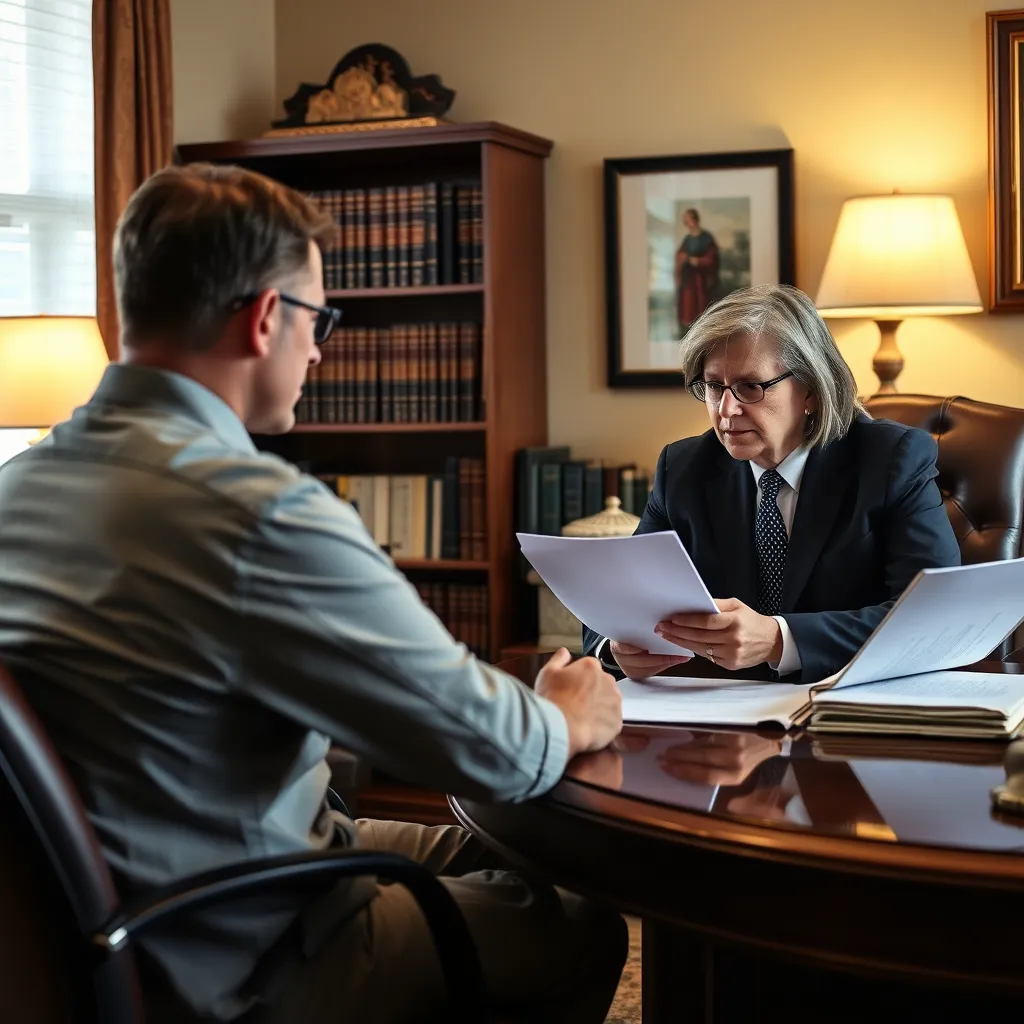
Catholic Annulment Lawyer Fauquier VA
What is a Catholic Annulment
A Catholic annulment, formally called a declaration of nullity, is a finding by a Church tribunal that a marriage was invalid from its inception. This means the marriage never sacramentally existed according to Catholic teaching. The process examines whether essential elements for a valid Catholic marriage were present at the time of the wedding.
Common grounds for annulment include lack of due discretion or judgment, psychological incapacity to assume marital obligations, or canonical impediments like prior bond or consanguinity. The tribunal evaluates evidence including witness testimony, documents, and personal statements. Unlike civil divorce proceedings, the focus is on the validity of the marriage consent and capacity at the time of the ceremony.
Individuals seeking annulments must work with their parish priest to initiate the process. Documentation typically includes marriage certificates, baptismal records, and information about both parties. The tribunal process can take several months to years depending on challenge and tribunal workload. During this time, civil legal matters like property division and child custody continue separately through state courts.
Legal representation helps ensure proper evidence collection and presentation to the tribunal. Attorneys familiar with both canon law and Virginia family law can coordinate these parallel processes effectively. They help protect clients’ rights in civil proceedings while respecting the spiritual dimensions of the Church process.
Reality Check: An annulment does not erase the civil marriage or its legal consequences. Child support, property division, and other civil matters still require separate legal attention.
How to Obtain a Catholic Annulment
Initiating a Catholic annulment requires coordination between spiritual guidance and legal support. The first step involves meeting with your parish priest, who explains the process and helps complete initial paperwork. This spiritual advisor serves as the liaison between you and the diocesan tribunal.
Evidence collection is a substantial part of the process. This includes obtaining marriage certificates, baptismal records, and any previous annulment or divorce decrees. Witness statements from people who knew both parties before and during the marriage provide important perspectives. Personal testimony explaining why you believe the marriage was invalid forms the core of your petition.
The formal petition, called a libellus, outlines the grounds for annulment and presents the evidence. Legal professionals help organize this information clearly and persuasively. They ensure all canonical requirements are met while protecting your rights in any concurrent civil proceedings.
Once submitted, the tribunal appoints an advocate to represent your case and a defender of the bond to argue for the marriage’s validity. Both parties have opportunities to respond to questions and provide additional information. The tribunal may request psychological evaluations or attorney opinions in involved cases.
After reviewing all evidence, the tribunal issues a decision. If granted, there is typically an appeal period before the annulment becomes final. Throughout this process, legal counsel helps manage timelines, respond to tribunal requests, and address any civil legal matters that continue separately.
Straight Talk: The Church process focuses on sacramental validity, not fault or blame. Present facts clearly without emotional accusations.
Can I Get a Catholic Annulment After Civil Divorce
Civil divorce and Catholic annulment address different aspects of marriage dissolution, making sequential pursuit common. A civil divorce legally terminates the marriage under state law, addressing property division, support, and child-related matters. The Church annulment process examines whether the marriage was sacramentally valid from its beginning.
There is no requirement to complete civil divorce before seeking an annulment, nor does civil divorce prevent annulment proceedings. Many individuals begin annulment processes after civil matters are resolved, as this allows focus on the spiritual dimensions separately. However, starting annulment proceedings during or before civil divorce is also possible.
The civil divorce decree itself does not constitute evidence for the annulment, though it may be included in tribunal submissions. The annulment process requires independent evidence about the marriage’s validity at the time of the ceremony. This includes examining consent, understanding of marital commitment, and capacity to fulfill marital obligations.
Legal representation becomes particularly valuable when managing both processes. Attorneys ensure that positions taken in civil court don’t inadvertently undermine annulment arguments, and vice versa. They help coordinate timing and strategy between the two distinct proceedings.
Financial considerations also differ between the processes. Civil divorce involves court costs and legal fees, while annulment proceedings may include tribunal fees and documentation expenses. Some dioceses offer fee reductions based on financial circumstances.
Blunt Truth: Civil divorce settles legal matters; annulment addresses spiritual status. Neither process automatically determines the other’s outcome.
Why Hire Legal Help for Catholic Annulment
Professional legal assistance offers several advantages during Catholic annulment proceedings. While priests provide spiritual guidance, attorneys handle the practical and legal aspects of evidence collection, petition preparation, and procedure management. This division of labor allows each professional to focus on their area of strength.
Evidence organization represents a significant benefit of legal representation. Attorneys help identify relevant documents, coordinate witness statements, and present information in a clear, logical manner acceptable to tribunal reviewers. They understand what types of evidence carry weight in annulment proceedings and how to present psychological or canonical arguments effectively.
Procedural knowledge prevents delays and misunderstandings. Legal professionals ensure petitions meet all canonical requirements, deadlines are observed, and proper formats are followed. They help respond to tribunal requests efficiently and maintain organized case records.
Perhaps most importantly, attorneys protect clients’ interests in any concurrent civil proceedings. They ensure that positions taken in annulment petitions don’t inadvertently weaken civil case arguments about property division, support, or child custody. This coordinated approach prevents conflicts between spiritual and legal objectives.
Financial considerations also benefit from legal guidance. Attorneys help clients understand potential costs, explore fee reduction options, and make informed decisions about resource allocation between Church and civil processes.
Reality Check: Legal help doesn’t guarantee annulment approval, but it improves organization and presentation, which can influence tribunal understanding.
FAQ:
What is the difference between divorce and annulment?
Divorce ends a valid marriage. Annulment declares a marriage was invalid from the beginning according to Church teaching.
How long does a Catholic annulment take?
The process typically takes 12-24 months. challenge and tribunal caseload affect timing.
Do both spouses need to participate?
Both are notified but participation varies. One spouse can proceed if the other does not respond.
What are common grounds for annulment?
Lack of consent, psychological incapacity, or canonical impediments like prior bond or close kinship.
Can I remarry in the Church after annulment?
Yes, if the annulment is granted and becomes final after any appeal period.
What documents are needed for annulment?
Marriage certificate, baptismal records, witness statements, and personal testimony about the marriage.
How much does an annulment cost?
Tribunal fees vary by diocese. Some offer reductions based on financial circumstances.
Does civil divorce affect annulment chances?
No, civil divorce and annulment address different aspects. One does not determine the other.
What if my ex-spouse opposes the annulment?
The tribunal considers all evidence. Opposition alone doesn’t prevent annulment if grounds exist.
Can annulment affect child legitimacy?
No, Church annulment doesn’t change civil status of children or parental rights and responsibilities.
Do I need a lawyer for annulment?
Legal help is not required but can improve organization and protect civil legal interests.
What happens after annulment is granted?
You receive a decree of nullity. There may be an appeal period before it becomes final.
Past results do not predict future outcomes