
Note: This article is confirmed by Law Offices Of SRIS, P.C.
WRITTEN BY: Mr. Sris
Since 1997, Mr. Sris has led the firm, focusing on the most challenging criminal and family law cases. His background in accounting and information management aids in financial and technology-related cases. Involved in significant legislative changes in Virginia. He speaks English and Tamil.
civil protective order lawyer Alexandria VA
What is a civil protective order
A civil protective order represents a legal mechanism designed to provide safety and security for individuals facing threatening situations. These court orders serve as formal directives that establish specific boundaries and restrictions on interactions between parties. The legal framework allows courts to intervene in situations where harassment, intimidation, or potential violence creates unsafe conditions.
The process begins with filing a petition that outlines the concerning behaviors and requested protections. Courts review evidence and testimony to determine whether sufficient grounds exist for issuing an order. Different types of orders may address various levels of concern, from limited contact restrictions to comprehensive protection measures. The legal system provides this option as a preventive measure to address safety concerns before situations escalate.
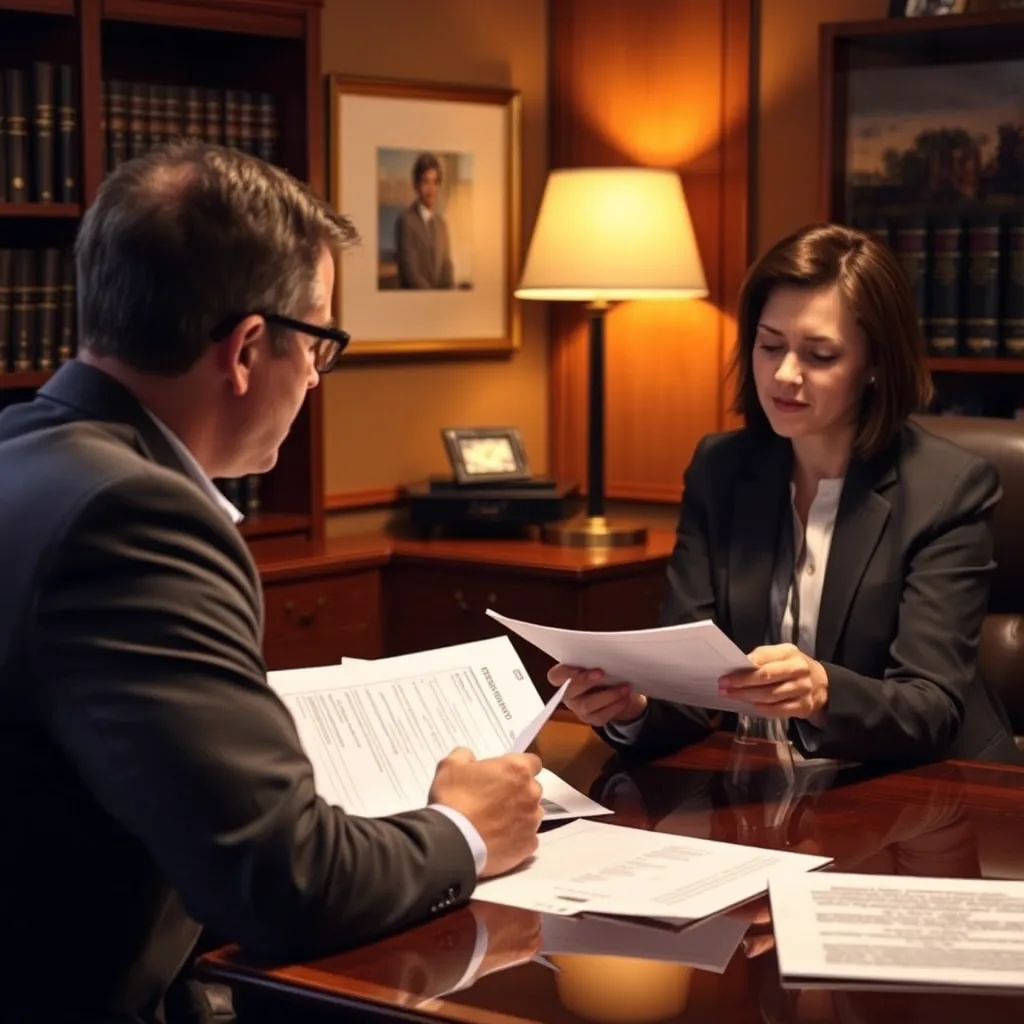
Legal professionals help individuals understand their rights and options regarding protective orders. They assist with preparing necessary documentation, presenting evidence effectively, and following proper court procedures. Understanding the legal requirements and standards helps ensure petitions meet court expectations and provide appropriate protection levels.
Real-Talk Aside: These orders provide legal boundaries, but enforcement depends on proper documentation and reporting. The system works best when all parties understand and respect the established limits.
How to obtain protective orders
The process for obtaining protective orders follows established legal procedures designed to balance protection needs with due process considerations. Individuals begin by completing petition forms that detail the concerning behaviors and requested protections. These forms require specific information about incidents, dates, and the nature of threats or harassment experienced. Proper completion ensures courts have necessary details to evaluate requests.
Evidence collection plays a vital role in supporting protective order requests. Documentation may include written records of incidents, communication records, witness statements, or other relevant materials. Presenting clear, organized evidence helps courts understand the situation and make informed decisions. Legal professionals assist with identifying appropriate evidence and presenting it effectively within legal frameworks.
Court hearings provide opportunities to present information and respond to questions from judges. These proceedings follow specific rules and procedures that legal guidance helps handle. Understanding hearing formats, presentation expectations, and legal standards improves effectiveness in obtaining appropriate orders. Following court directives and maintaining proper documentation supports ongoing enforcement.
Real-Talk Aside: The system requires specific documentation and court appearances. Missing steps or incomplete information can delay or prevent obtaining needed protections.
Can I modify existing orders
Modification of existing protective orders represents a legal option when circumstances change significantly after initial orders are established. The legal system recognizes that situations evolve, and protection needs may require adjustment over time. Modification procedures follow specific court rules and requirements that ensure changes maintain appropriate safety measures while addressing new developments.
Common reasons for modification include changes in living situations, employment circumstances, or relationship dynamics between parties. Courts consider whether modifications serve protection interests while maintaining reasonable boundaries. The process involves filing petitions that explain changed circumstances and requested adjustments. Supporting documentation helps demonstrate why modifications are necessary or appropriate.
Legal guidance assists with evaluating whether modification requests have reasonable grounds and preparing appropriate petitions. Understanding court expectations and legal standards improves effectiveness in seeking modifications. Courts balance protection needs with practical considerations when reviewing modification requests, ensuring orders remain relevant and effective over time.
Real-Talk Aside: Courts consider modifications carefully, requiring clear evidence of changed circumstances. Not all requests are granted, and the process follows specific legal standards.
Why hire legal help for domestic violence matters
Legal assistance offers valuable support for individuals facing domestic violence situations by providing professional guidance through involved legal processes. Domestic violence matters involve sensitive considerations and specific legal procedures that benefit from professional understanding. Legal professionals help identify appropriate protection options and handle court systems effectively.
The legal framework for domestic violence protection includes various options and procedures that require proper understanding and application. Professional guidance helps ensure all available protections are considered and pursued appropriately. Legal support assists with documentation preparation, evidence organization, and court presentation, improving effectiveness in obtaining necessary protections.
Safety planning represents an important aspect of addressing domestic violence concerns. Legal professionals help develop comprehensive approaches that consider both immediate protection needs and longer-term safety considerations. Understanding legal rights and options empowers individuals to make informed decisions about protection measures and legal actions.
Real-Talk Aside: Legal help provides guidance through involved systems, but safety planning requires ongoing attention and practical considerations beyond court procedures.
FAQ:
What types of protective orders are available?
Different orders address various protection levels from limited contact restrictions to comprehensive safety measures based on specific situations and evidence presented.
How long do protective orders last?
Duration varies by order type and circumstances, with some providing temporary protection and others offering longer-term arrangements through court determinations.
What evidence supports protective order requests?
Documentation may include incident records, communication evidence, witness statements, or other materials demonstrating concerning behaviors and safety concerns.
Can protective orders be enforced across state lines?
Many orders receive recognition in other states through specific legal procedures and interstate enforcement agreements between jurisdictions.
What happens if orders are violated?
Violations may lead to legal consequences including potential charges, enforcement actions, or modifications to existing protection arrangements.
How quickly can protective orders be obtained?
Emergency orders may provide immediate temporary protection, with longer-term arrangements following scheduled hearings and court procedures.
What costs are involved in obtaining orders?
Filing fees may apply, though waiver options exist for qualifying circumstances based on financial considerations and legal standards.
Can orders address child protection concerns?
Protective measures may include provisions for children’s safety through specific arrangements and restrictions established by courts.
What if I need to change order terms later?
Modification requests through court procedures allow adjustments when circumstances change significantly over time.
How do courts determine appropriate protections?
Judges review evidence, testimony, and legal standards to establish protection levels that address safety concerns appropriately.
What support services accompany legal protection?
Additional resources may include counseling, safety planning assistance, and community support services alongside legal measures.
Can orders restrict firearm possession?
Some protective measures include provisions regarding firearm restrictions based on specific circumstances and legal determinations.
Past results do not predict future outcomes