
Note: This article is confirmed by Law Offices Of SRIS, P.C.
AUTHOR BIO:WRITTEN BY
Since 1997, Mr. Sris has led the firm, focusing on the most challenging criminal and family law cases. His background in accounting and information management aids in financial and technology-related cases. Involved in significant legislative changes in Virginia. Mr. Sris is the Founder, CEO & Principal Attorney at Law Offices Of SRIS, P.C.
trial separation lawyer Alexandria VA
What is trial separation
Trial separation represents a formal arrangement where married couples live separately while maintaining their legal marital status. This approach provides structured time apart for relationship evaluation without initiating divorce proceedings. The process involves establishing clear terms through legal documentation that addresses practical living arrangements.
Couples create separation agreements that outline financial responsibilities during the period apart. These documents specify how bills will be paid, how joint accounts will be managed, and what financial support arrangements exist. Property division terms establish who remains in the marital home and how other assets will be handled temporarily. Parenting arrangements detail custody schedules, visitation rights, and decision-making responsibilities for children.
Legal documentation serves multiple important functions during trial separation. These agreements provide clarity about expectations and responsibilities for both parties. They establish boundaries that help prevent misunderstandings and conflicts during the separation period. Proper documentation creates a record that can be referenced if disagreements arise about the agreed terms.
Separation agreements can influence future legal proceedings if the couple decides to divorce. Terms established during trial separation may form the basis for final divorce settlements. Courts often consider these agreements when making determinations about property division and support arrangements. Having clear documentation from the separation period can streamline divorce proceedings if that becomes necessary.
Reality Check: Trial separation requires honest communication about expectations. Many couples struggle with the practical realities of living apart while remaining legally connected.
How to establish trial separation agreements
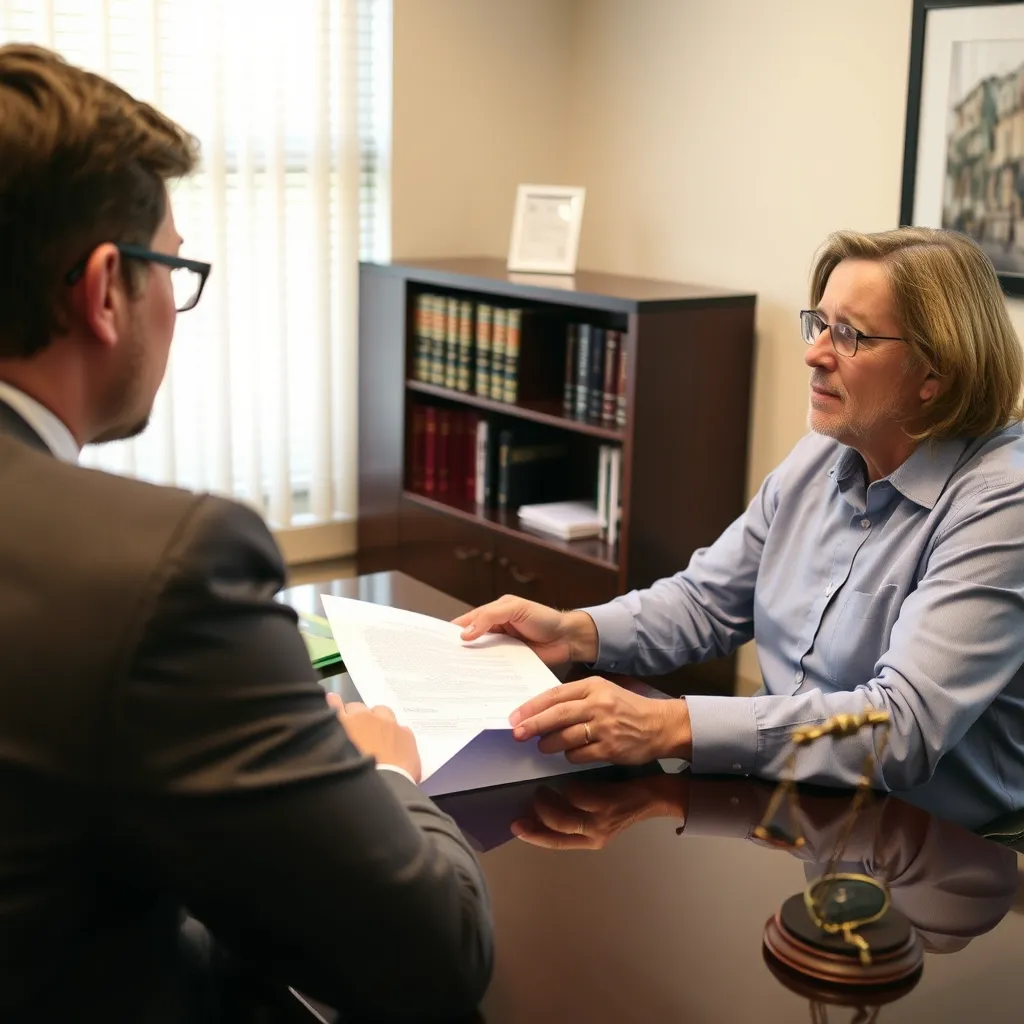
Establishing trial separation agreements begins with both parties seeking independent legal advice. Each spouse should consult with an attorney to understand their rights and obligations under Virginia law. Legal counsel helps identify issues that need addressing in the separation agreement and ensures both parties’ interests receive proper consideration.
The drafting process involves creating comprehensive documentation that addresses all relevant aspects of the separation. Financial arrangements should specify how income, expenses, and debts will be managed during the separation period. Property terms establish temporary use and management of marital assets, including the family home, vehicles, and personal property. Parenting plans detail custody arrangements, visitation schedules, and decision-making authority for children.
Negotiation between parties occurs with guidance from their respective attorneys. This collaborative approach allows couples to reach mutually acceptable terms while protecting individual interests. Attorneys help identify potential areas of conflict and suggest solutions that address both parties’ concerns. The goal is creating an agreement that provides clarity and reduces potential disputes during the separation period.
Finalizing the agreement involves proper execution and documentation. Both parties must sign the separation agreement voluntarily and without coercion. Notarization provides additional verification of the signatures. Copies should be distributed to both parties and their attorneys for reference during the separation period.
Straight Talk: Separation agreements require compromise from both parties. Unrealistic demands often prolong negotiations and increase legal costs.
Can I handle trial separation without legal help
Attempting trial separation without legal assistance presents several challenges and risks. Informal arrangements typically lack the comprehensive documentation needed to address all relevant issues. Verbal agreements create uncertainty about financial responsibilities, property management, and parenting arrangements during the separation period.
Financial matters become particularly problematic without formal documentation. Questions about bill payment, debt responsibility, and support arrangements often lead to disputes. Without clear written terms, both parties may have different understandings of their financial obligations. This uncertainty can create tension and conflict during an already difficult period.
Parenting arrangements require particular attention to detail that informal agreements often lack. Custody schedules, visitation rights, and decision-making authority need precise definition to prevent misunderstandings. Children benefit from consistent routines and clear expectations about where they will live and when they will see each parent.
Property management issues frequently arise in informal separation arrangements. Questions about who remains in the marital home, how household expenses will be paid, and what happens to joint property create potential conflicts. Without clear documentation, both parties may make assumptions that differ from their spouse’s expectations.
Blunt Truth: Informal separation agreements often fail when practical realities conflict with verbal understandings. Legal documentation provides necessary clarity and protection.
Why hire legal help for trial separation
Legal assistance provides valuable protection during the trial separation process. Attorneys help identify issues that need addressing in separation agreements and ensure comprehensive documentation. Professional guidance helps couples establish clear terms that reduce misunderstandings and potential conflicts during the separation period.
Attorneys bring knowledge of Virginia family law requirements to the separation agreement process. They ensure documentation complies with legal standards and addresses all necessary elements. Legal professionals help draft language that clearly defines rights and responsibilities, reducing ambiguity that could lead to disputes later.
The negotiation process benefits from attorney involvement as they help facilitate discussions between parties. Legal counsel can suggest compromises and solutions that address both parties’ concerns while protecting individual interests. This structured approach often leads to more balanced agreements than couples might achieve independently.
Documentation prepared with legal assistance carries greater weight if disputes arise during the separation period. Courts recognize properly drafted separation agreements as evidence of the parties’ intentions and arrangements. This documentation can be referenced if questions arise about the agreed terms or if enforcement becomes necessary.
Future divorce proceedings may reference separation agreements when determining final settlements. Terms established during trial separation often influence property division, support arrangements, and parenting plans in divorce. Having clear, legally sound documentation from the separation period can streamline divorce proceedings if that becomes necessary.
Reality Check: Legal assistance represents an investment in clarity and protection during separation. Proper documentation prevents costly disputes and provides enforceable terms.
FAQ:
What is trial separation?
Trial separation involves living apart while remaining married. This arrangement allows relationship evaluation without immediate divorce proceedings.
How long does trial separation typically last?
Separation periods vary based on individual circumstances. Many couples use six months to one year for meaningful evaluation.
What should a separation agreement include?
Agreements should address finances, property management, and parenting arrangements. Documentation establishes clear terms for the separation period.
Can separation agreements be modified?
Agreements can be modified if both parties consent to changes. Legal assistance helps ensure modifications properly document revised terms.
How does trial separation affect divorce proceedings?
Separation agreements may influence final divorce settlements. Courts often consider these arrangements when making determinations.
What happens to joint debts during separation?
Agreements should specify responsibility for joint obligations. Clear terms prevent disputes about debt payment during separation.
How are child custody arrangements determined?
Parenting plans establish custody schedules and decision-making authority. These arrangements prioritize children’s stability during separation.
What if my spouse violates the separation agreement?
Legal documentation provides enforcement mechanisms for agreement violations. Courts can intervene if terms are not followed.
Does trial separation require court approval?
Separation agreements typically do not require court approval initially. Documentation establishes private arrangements between parties.
How does separation affect marital property rights?
Property rights generally remain unchanged during trial separation. Agreements establish temporary management of marital assets.
What financial support arrangements are common?
Support terms vary based on income differences and needs. Agreements should specify amount, duration, and payment methods.
Can separation lead to reconciliation?
Some couples use separation periods for relationship evaluation. This time apart may provide perspective for potential reconciliation.
Past results do not predict future outcomes