
Note: This article is confirmed by Law Offices Of SRIS, P.C.
AUTHOR BIO:WRITTEN BY
Since 1997, Mr. Sris has led the firm, focusing on the most challenging criminal and family law cases… His background in accounting and information management aids in financial and technology-related cases… Involved in significant legislative changes in Virginia.
Insight: My focus since founding the firm in 1997 has always been directed towards personally handling the most challenging and involved criminal and family law matters our clients face.
Insight: I find my background in accounting and information management provides a unique advantage when handling the intricate financial and technological aspects inherent in many modern legal cases.
Insight: As someone deeply involved in the community, I believe it’s important to not only practice law but also to actively participate in shaping it, which is why I dedicated effort towards amending Virginia Code § 20-107.3 and achieving state recognition for cultural milestones.
postnuptial agreement lawyer Poquoson VA
What is a postnuptial agreement
A postnuptial agreement serves as a marital contract that married couples can establish after their wedding. Unlike prenuptial agreements made before marriage, these documents address financial arrangements during the marriage itself. The agreement typically covers property division, debt allocation, and spousal support terms that would apply if the marriage ends through divorce or separation.
Virginia law establishes specific requirements for valid postnuptial agreements. Both parties must provide complete financial disclosure, showing all assets, debts, and income. The agreement must be signed voluntarily without coercion or pressure. Each spouse should have independent legal counsel to ensure their rights are protected. The contract cannot include terms that violate public policy or encourage divorce.
Common provisions in these agreements include classification of separate property, division of marital assets, responsibility for debts acquired during marriage, and terms for spousal support. Some agreements address inheritance rights, business interests, and retirement account distribution. The document can also establish financial arrangements during the marriage, such as household expense contributions and savings goals.
Virginia courts examine several factors when reviewing postnuptial agreements. The court considers whether both parties had adequate legal representation, whether the agreement was fair when signed, and whether circumstances have changed significantly since execution. Agreements that appear unconscionable or were signed under duress may not be enforced. Proper drafting and execution are vital for validity.
Real-Talk Aside: These agreements require complete honesty about finances. Hidden assets or debts can invalidate the entire contract.
How to create a valid postnuptial agreement in Virginia
The process for creating a valid postnuptial agreement in Virginia begins with both spouses gathering complete financial information. This includes listing all assets, debts, income sources, and property interests. Full disclosure is required by Virginia law, and hiding financial information can make the agreement unenforceable. Each spouse should compile documentation for bank accounts, investments, real estate, retirement accounts, and business interests.
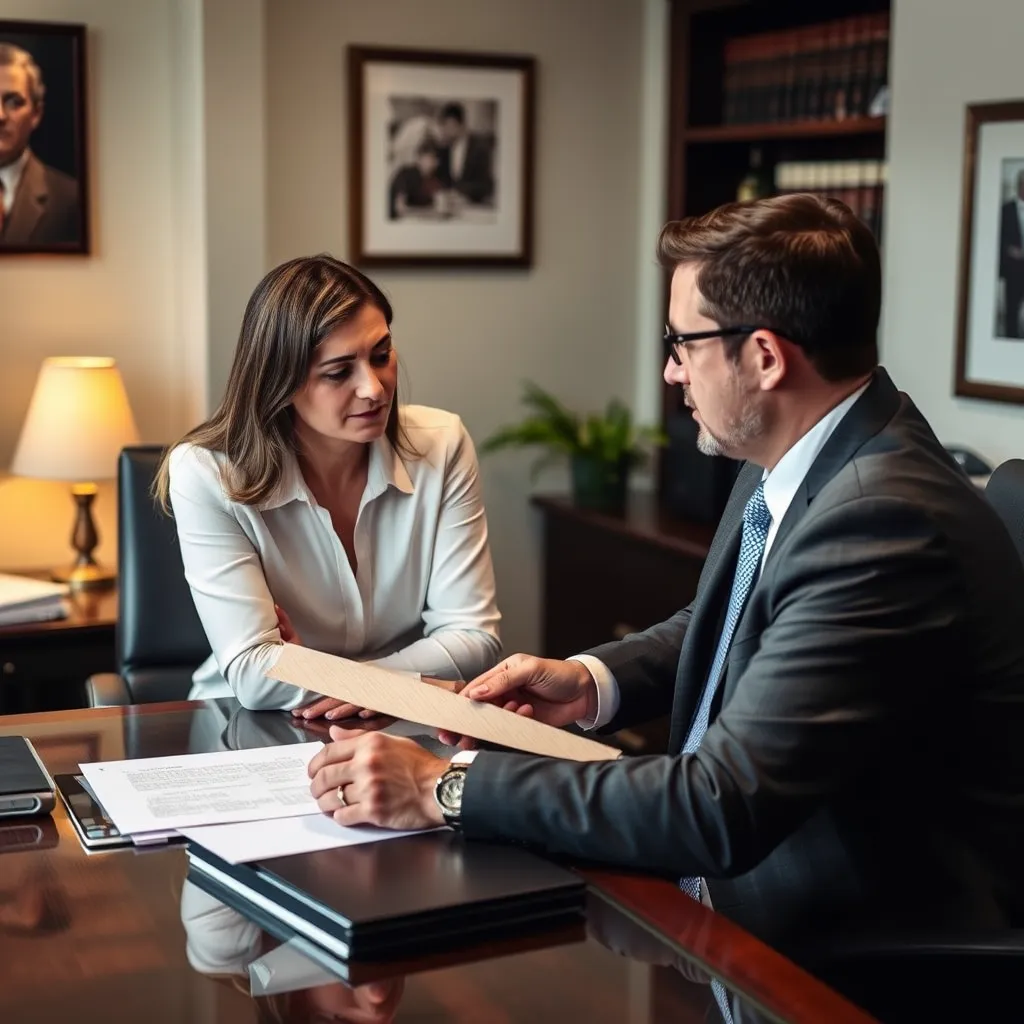
Both parties must obtain independent legal representation. Virginia courts strongly prefer that each spouse has their own attorney review the agreement. Legal counsel helps ensure each party understands their rights and the agreement’s implications. Attorneys can identify potential issues with fairness, completeness of disclosure, and compliance with Virginia law. This independent review protects against claims of coercion or misunderstanding later.
The agreement must be drafted in writing with clear, specific language. Vague terms or ambiguous provisions can lead to disputes and potential invalidation. The document should address property classification, debt responsibility, spousal support terms, and inheritance provisions. It should also include acknowledgment of financial disclosure, voluntary execution, and understanding of terms. Each provision should comply with Virginia statutory requirements.
Execution requires both spouses to sign the agreement voluntarily without pressure. Signatures should be witnessed and notarized for additional validity. The agreement should be dated, and both parties should retain copies. Some attorneys recommend recording the signing with video to demonstrate voluntary participation. After execution, the agreement should be stored securely with other important legal documents.
Real-Talk Aside: Independent legal counsel is not just recommended—it’s practically required for enforcement. Trying to share one attorney rarely works.
Can I modify or revoke a postnuptial agreement
Postnuptial agreements in Virginia can be modified if both spouses agree to changes. The modification process requires the same legal formalities as the original agreement. Both parties must provide updated financial disclosure reflecting current circumstances. Each spouse should have independent legal counsel review the proposed changes. The modification must be in writing, signed voluntarily, and properly executed with witnesses and notarization.
Common reasons for modifying postnuptial agreements include significant life changes. The birth or adoption of children often prompts revisions to address child support and custody matters not typically covered in original agreements. Substantial inheritance, career changes, business successes or failures, and health issues may also justify modifications. Changes in Virginia law regarding marital property or support could make certain provisions outdated or unenforceable.
Revoking a postnuptial agreement requires mutual consent or court intervention. Spouses can agree in writing to completely revoke the agreement, following the same formalities as modification. Without mutual agreement, one spouse may petition Virginia courts to invalidate the agreement. Grounds for invalidation include lack of proper disclosure, coercion, unconscionable terms, or significant changes in circumstances that make enforcement unfair.
Virginia courts consider several factors when reviewing modification or revocation requests. The court examines whether both parties understood the changes, whether financial disclosure was complete, and whether independent counsel was obtained. The court also considers whether the modified terms are fair and reasonable. Agreements that become unconscionable due to changed circumstances may be set aside by the court.
Real-Talk Aside: Modifications require the same careful process as the original agreement. Quick handwritten changes usually won’t hold up in court.
Why hire legal help for postnuptial agreements
Professional legal assistance provides several advantages when creating postnuptial agreements in Virginia. Attorneys understand the specific requirements of Virginia law and can draft agreements that comply with statutory provisions. Legal professionals ensure proper financial disclosure occurs, which is required for enforcement. They can identify potential issues with fairness, completeness, and clarity that might otherwise be overlooked.
Attorneys help structure agreements that address unique family circumstances. For couples with children from previous relationships, business owners, professionals with licenses or practices, or individuals with significant inheritance expectations, attorney provisions may be necessary. Legal counsel can draft terms that protect business interests, professional licenses, and separate property while ensuring the agreement remains fair and enforceable.
Independent legal representation protects each spouse’s individual rights. Virginia courts view agreements more favorably when both parties had their own counsel. Attorneys explain the legal implications of each provision, helping clients make informed decisions. They can negotiate terms that balance both spouses’ interests while maintaining the relationship’s integrity. This independent review prevents claims of coercion or misunderstanding later.
Legal professionals provide ongoing support if circumstances change. If modifications become necessary due to life events, attorneys can guide clients through the proper procedures. Should disputes arise about interpretation or enforcement, having experienced counsel familiar with the agreement’s creation is advantageous. Attorneys can also represent clients if court intervention becomes necessary to enforce or challenge the agreement.
Real-Talk Aside: Trying to save money by skipping legal help often costs more later when the agreement gets challenged or thrown out entirely.
FAQ:
1. What is the difference between prenuptial and postnuptial agreements?
Prenuptial agreements are created before marriage, while postnuptial agreements are made during marriage. Both address financial matters but have different timing requirements under Virginia law.
2. Are postnuptial agreements enforceable in Virginia?
Yes, when properly drafted with full financial disclosure, independent legal counsel, and voluntary signing. Virginia courts enforce agreements that meet legal requirements.
3. What happens if we don’t disclose all assets?
Incomplete financial disclosure can make the agreement unenforceable. Virginia requires full transparency about all assets, debts, and income for validity.
4. Can we address child custody in a postnuptial agreement?
Virginia courts determine child custody based on the child’s best interests at the time of separation. Agreements cannot predetermine custody arrangements.
5. How much does a postnuptial agreement cost in Virginia?
Costs vary based on challenge, assets involved, and attorney rates. Both spouses typically pay for their own independent legal representation.
6. Can one spouse force the other to sign a postnuptial agreement?
No, Virginia requires voluntary signing without coercion. Pressure or threats can invalidate the entire agreement.
7. What makes a postnuptial agreement unfair or unconscionable?
Terms that leave one spouse destitute, hide assets, or result from pressure may be considered unconscionable. Virginia courts examine fairness when signed.
8. Do we need separate attorneys for a postnuptial agreement?
Virginia strongly recommends independent legal counsel for each spouse. Shared representation can create conflicts and jeopardize enforcement.
9. Can we include terms about household expenses in the agreement?
Yes, postnuptial agreements can address financial arrangements during marriage, including expense sharing, savings goals, and budgeting.
10. What if our financial situation changes significantly after signing?
Significant changes may justify modifying the agreement. Both spouses must agree to changes following the same legal formalities as the original.
11. How long does it take to create a postnuptial agreement?
The process typically takes several weeks to allow for financial disclosure, attorney review, negotiation, and proper execution.
12. Where should we store the signed agreement?
Keep original signed copies with each spouse’s attorney and in secure personal locations like safe deposit boxes or home safes.
Past results do not predict future outcomes