
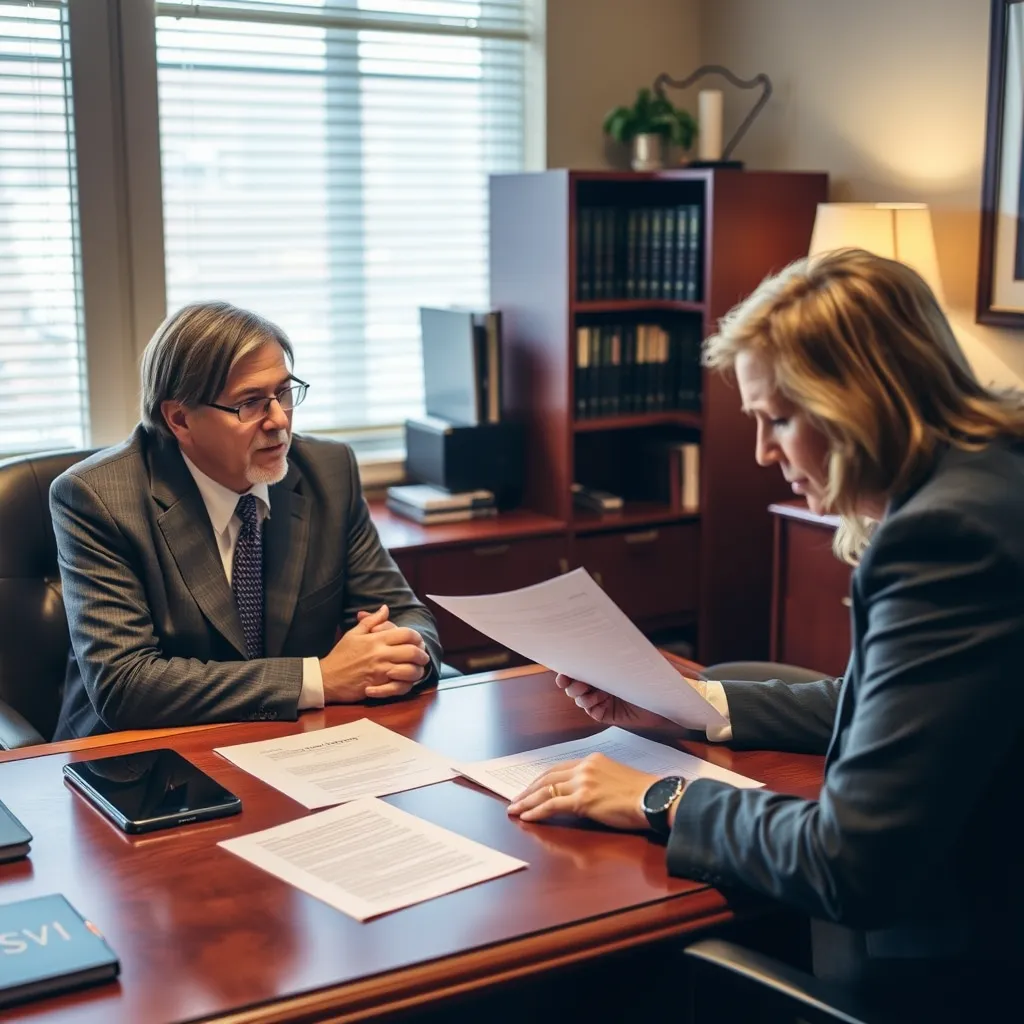
Note: This article is confirmed by Law Offices Of SRIS, P.C.
WRITTEN BY: Mr. Sris
Since 1997, Mr. Sris has led the firm, focusing on the most challenging criminal and family law cases… His background in accounting and information management aids in financial and technology-related cases… Involved in significant legislative changes in Virginia.
Insight: My focus since founding the firm in 1997 has always been directed towards personally handling the most challenging and involved criminal and family law matters our clients face.
Insight: I find my background in accounting and information management provides a unique advantage when handling the intricate financial and technological aspects inherent in many modern legal cases.
Insight: As someone deeply involved in the community, I believe it’s important to not only practice law but also to actively participate in shaping it, which is why I dedicated effort towards amending Virginia Code § 20-107.3 and achieving state recognition for cultural milestones.
Adoption Lawyer Clarke VA
What is Adoption in Clarke, Virginia
Adoption represents a legal process where individuals become the legal parents of a child who is not biologically theirs. In Clarke, Virginia, this process follows state statutes that outline specific requirements and procedures. The Virginia adoption system aims to protect children’s welfare while providing stable family environments.
The adoption process typically begins with determining eligibility. Prospective adoptive parents must meet Virginia’s legal standards, which include age requirements, residency considerations, and background evaluations. Home studies conducted by licensed professionals assess the living environment and readiness for parenting. These evaluations examine financial stability, emotional preparedness, and overall suitability for adoption.
Legal procedures involve petitioning the Clarke County Circuit Court. Documentation must demonstrate compliance with Virginia adoption laws. Required materials often include birth certificates, marriage licenses, financial statements, and medical records. The court reviews all submitted evidence before making determinations about the adoption’s appropriateness.
Termination of parental rights represents a vital component in many adoption cases. When biological parents’ rights must be terminated, Virginia law establishes specific grounds and procedures. Voluntary terminations involve consent forms and court hearings. Involuntary terminations require demonstrating specific legal grounds established by statute.
Real-Talk Aside: Adoption involves significant legal requirements that cannot be bypassed. The process demands thorough documentation and court approval.
How to Complete Step Parent Adoption in Clarke
Step parent adoption represents a common family law procedure in Clarke where a spouse adopts their partner’s biological child. This legal process creates permanent parent-child relationships within blended families. Virginia law establishes specific requirements for these adoptions to ensure they serve the child’s best interests.
The initial step involves determining whether the non-custodial biological parent will consent to the adoption. When consent is available, the process proceeds more directly. The consenting parent must complete legal forms acknowledging voluntary termination of parental rights. These documents require notarization and proper filing with the Clarke County Circuit Court.
When the non-custodial parent does not consent, petitioners must demonstrate legal grounds for involuntary termination of parental rights. Virginia statutes establish specific criteria, including abandonment, neglect, or unfitness. Evidence must substantiate these claims through documentation, witness testimony, or other admissible proof. The court evaluates whether termination serves the child’s welfare.
Home study evaluations assess the adoptive home environment. Licensed professionals examine living conditions, family dynamics, and parenting capabilities. These reports provide courts with independent assessments of the adoption’s appropriateness. The evaluation considers the child’s adjustment to the family and the step parent’s relationship with the child.
Real-Talk Aside: Step parent adoption requires either consent or legal grounds for termination. The process cannot proceed without addressing the non-custodial parent’s rights.
Can I Pursue Private Adoption in Clarke
Private adoption represents a legal option in Clarke where birth parents and adoptive parents arrange adoption directly, without agency involvement. Virginia law permits these arrangements while establishing safeguards to protect all parties, particularly the child. The process follows specific statutory requirements that differ from agency-mediated adoptions.
Initial considerations involve understanding Virginia’s legal framework for private adoptions. State law requires specific procedures regardless of the adoption arrangement type. These include home study evaluations, background checks, and court oversight. The Clarke County Circuit Court maintains jurisdiction over private adoption petitions filed within the county.
Legal documentation plays a vital role in private adoptions. Birth parents must provide consent through properly executed legal forms. These documents acknowledge voluntary termination of parental rights and understanding of the adoption’s permanent nature. Virginia law establishes waiting periods and revocation rights that birth parents must understand before consent becomes irrevocable.
Adoptive parents must complete home study evaluations conducted by licensed professionals. These assessments examine living conditions, financial stability, emotional readiness, and parenting capabilities. The evaluator submits reports to the court detailing findings and recommendations. Courts consider these evaluations when determining adoption approval.
Real-Talk Aside: Private adoption requires strict adherence to legal procedures. Direct arrangements still demand court approval and professional evaluations.
Why Hire Legal Help for Adoption in Clarke
Adoption proceedings in Clarke involve legal requirements that benefit from professional guidance. Virginia’s adoption statutes establish specific procedures that must be followed precisely. Legal assistance helps families understand these requirements and handle the process effectively. The challenge of adoption law makes professional support valuable for achieving successful outcomes.
Document preparation represents a significant aspect where legal help proves beneficial. Adoption petitions require specific information formatted according to court standards. Legal professionals prepare these documents accurately, ensuring all necessary details are included. Proper documentation prevents delays and potential rejections by the court clerk’s office.
Court representation provides another advantage of legal assistance. Adoption hearings involve legal proceedings where proper presentation of evidence matters. Attorneys present cases effectively, responding to judicial inquiries and addressing any concerns raised during hearings. Professional representation helps ensure the court receives complete information for decision-making.
Addressing potential challenges represents another area where legal guidance proves valuable. Adoption cases may involve contested elements, such as parental rights termination disputes or home study concerns. Legal professionals develop strategies to address these challenges within Virginia’s legal framework. Their experience with similar cases informs approach development.
Real-Talk Aside: Adoption involves legal procedures that benefit from professional handling. Proper guidance helps avoid procedural errors that could delay or prevent approval.
FAQ:
What are the basic requirements for adoption in Clarke?
Virginia requires adoptive parents to meet age, residency, and background standards. Home studies evaluate living conditions and parenting readiness.
How long does step parent adoption take in Clarke?
The timeline varies based on consent availability and court schedules. Typical cases complete within several months when no complications exist.
What costs are involved in private adoption?
Costs include legal fees, court costs, and home study expenses. The total varies based on case specifics and professional service requirements.
Can birth parents change their minds after consent?
Virginia law provides limited revocation periods for birth parents. Specific timelines depend on consent type and circumstances.
What happens during a home study evaluation?
Licensed professionals assess home environment, family dynamics, and parenting capabilities. Interviews and home visits gather necessary information.
Are background checks required for adoption?
Virginia requires criminal background checks for all adoptive parents. These checks help ensure child safety in adoptive homes.
What if the other parent won’t consent to step parent adoption?
Petitioners must demonstrate legal grounds for involuntary termination of parental rights. Evidence must meet Virginia’s statutory requirements.
Can same-sex couples adopt in Clarke?
Virginia law permits adoption by qualified individuals regardless of sexual orientation. The same legal standards apply to all prospective adoptive parents.
What documentation is needed for adoption petitions?
Required documents typically include birth certificates, marriage licenses, financial statements, and medical records. Specific requirements vary by adoption type.
How does adoption affect child support obligations?
Adoption terminates the legal parent-child relationship, which typically ends child support obligations from the terminated parent.
What are post-adoption contact agreements?
These agreements allow continued contact between birth families and adopted children. Virginia law establishes specific requirements for enforceable agreements.
Can grandparents adopt their grandchildren in Clarke?
Virginia permits grandparent adoption when legal requirements are met. The process follows standard adoption procedures with specific considerations.
Past results do not predict future outcomes