
Note: This article is confirmed by Law Offices Of SRIS, P.C.
WRITTEN BY: Mr. Sris
Since 1997, Mr. Sris has led the firm, focusing on the most challenging criminal and family law cases. His background in accounting and information management aids in financial and technology-related cases. Involved in significant legislative changes in Virginia. My focus since founding the firm in 1997 has always been directed towards personally handling the most challenging and involved criminal and family law matters our clients face.
Prenup Lawyer Virginia
What is a Prenuptial Agreement
Prenuptial agreements serve as important legal documents for couples planning marriage. They establish clear expectations about financial matters before the union begins. These contracts can cover various aspects including property ownership, debt responsibility, and spousal support arrangements. Virginia law provides specific requirements that must be met for these agreements to be enforceable.
The process begins with both parties obtaining independent legal representation. Each person should have their own attorney review the agreement. Complete financial disclosure is necessary, including assets, liabilities, and income information. This transparency helps ensure both parties understand what they’re agreeing to and prevents future disputes about hidden assets or undisclosed debts.
Virginia’s legal framework for premarital agreements includes specific provisions about what can and cannot be included. Certain matters like child custody and child support cannot be predetermined in these agreements. The court maintains authority over these issues based on the child’s best interests at the time decisions are needed. Agreements must be fair and reasonable when signed and cannot promote divorce.
Professional legal guidance helps couples create agreements that meet Virginia’s legal standards. Attorneys can draft documents that address each couple’s unique circumstances while complying with state laws. They ensure proper execution and documentation, which is vital for enforceability. Legal counsel helps identify potential issues and provides solutions that protect both parties’ interests.
How to Create a Valid Prenuptial Agreement
The first step in creating a prenuptial agreement is open communication between partners. Discuss financial goals, expectations, and concerns honestly. This conversation helps identify what matters need addressing in the agreement. Once both parties agree to pursue a prenup, the next step involves seeking independent legal counsel.
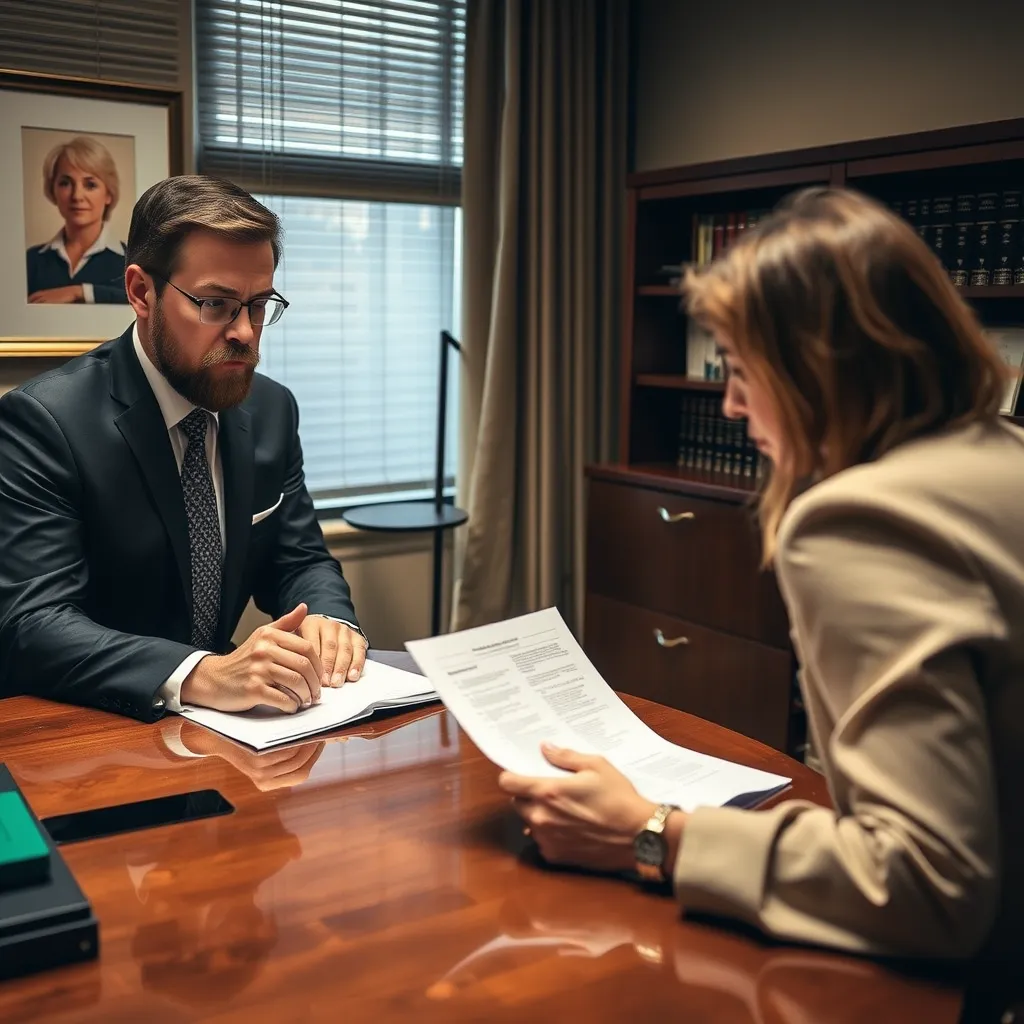
Each person should hire their own attorney specializing in family law. These lawyers will explain Virginia’s legal requirements and help draft appropriate provisions. The attorneys ensure their clients understand all terms and implications. They also verify that the agreement meets state legal standards for enforceability.
Financial disclosure forms the foundation of a valid agreement. Both parties must provide complete information about assets, debts, income, and financial obligations. This includes bank accounts, investments, real estate, business interests, loans, and credit card balances. Documentation should be thorough and organized for review by both attorneys.
The drafting process involves creating a document that addresses the couple’s specific needs while complying with Virginia law. The agreement should be signed well before the wedding date—typically at least 30 days prior. This timing helps demonstrate voluntary agreement without wedding-day pressure. Proper execution includes notarization and witness signatures as recommended by legal counsel.
Can I Modify a Prenuptial Agreement After Marriage
Prenuptial agreements are not necessarily permanent documents. Life circumstances change, and couples may need to adjust their agreements. Virginia law allows modifications through postnuptial agreements, which are contracts made during marriage. These documents follow similar legal requirements as prenuptial agreements but are created after the wedding.
Common reasons for modifying prenuptial agreements include significant financial changes, career transitions, having children, or purchasing major assets together. When both parties agree that changes are needed, they can work with their attorneys to draft a postnuptial agreement. This document supersedes or modifies the original prenuptial agreement provisions.
The modification process requires the same legal safeguards as the original agreement. Both parties need independent legal representation to ensure they understand the implications of changes. Complete financial disclosure must occur again, reflecting current financial situations. The agreement must be in writing, signed voluntarily, and executed with proper formalities.
It’s important to note that courts will scrutinize postnuptial agreements carefully. They must be fair and reasonable at the time of signing. Agreements cannot be unconscionable or created under duress. Working with experienced legal counsel helps ensure modifications meet Virginia’s legal standards and protect both parties’ interests throughout the marriage.
Why Hire Legal Help for Prenuptial Agreements
Prenuptial agreements involve involved legal considerations that require professional attention. Virginia has specific statutes governing these documents, including the Uniform Premarital Agreement Act. An experienced attorney understands these laws and how they apply to different situations. They can draft agreements that address unique circumstances while maintaining legal validity.
Legal counsel helps identify issues that couples might overlook. Attorneys consider potential future scenarios and draft provisions that address them appropriately. They ensure agreements include necessary elements like full financial disclosure clauses, voluntary consent language, and proper execution requirements. This attention to detail helps prevent challenges to the agreement’s validity later.
Each party having independent representation is particularly important. This ensures both individuals understand the agreement’s terms and implications. Attorneys can explain legal concepts in understandable terms and answer questions about how provisions might affect future situations. They also help negotiate terms that are fair and reasonable for both parties.
Professional legal assistance provides peace of mind that documents are properly prepared and executed. Attorneys handle the technical aspects of drafting, review, and execution. They ensure agreements are signed with appropriate witnesses and notarization when needed. This thorough approach helps create agreements that withstand legal scrutiny if ever challenged in court.
FAQ:
What is the cost of a prenuptial agreement in Virginia?
Costs vary based on challenge and attorney rates. Most agreements range from moderate to substantial fees depending on assets involved.
How long before the wedding should we sign a prenup?
Sign at least 30 days before the wedding. This shows voluntary agreement without last-minute pressure.
Can a prenup address future inheritance?
Yes, prenuptial agreements can include provisions about inheritance rights and property received during marriage.
What happens if we don’t disclose all assets?
Incomplete disclosure can make the entire agreement invalid. Full honesty is required for enforceability.
Are prenuptial agreements only for wealthy people?
No, prenups benefit anyone with assets, debts, or specific financial concerns before marriage.
Can a prenup determine child custody arrangements?
No, Virginia courts decide child custody based on the child’s best interests at the time of separation.
What if our financial situation changes significantly?
You can create a postnuptial agreement to modify terms with mutual consent and legal guidance.
Do both parties need separate lawyers?
Yes, independent legal representation is strongly recommended for both individuals in Virginia.
Can a prenup be challenged in court?
Yes, agreements can be challenged if they don’t meet legal requirements for validity and fairness.
What information must be disclosed?
Complete financial details including assets, debts, income, and business interests must be shared.
Are verbal agreements about prenups valid?
No, Virginia requires written agreements signed by both parties for enforceability.
What if one party doesn’t speak English well?
Translations and explanations in the person’s native language may be needed for valid consent.
Past results do not predict future outcomes