
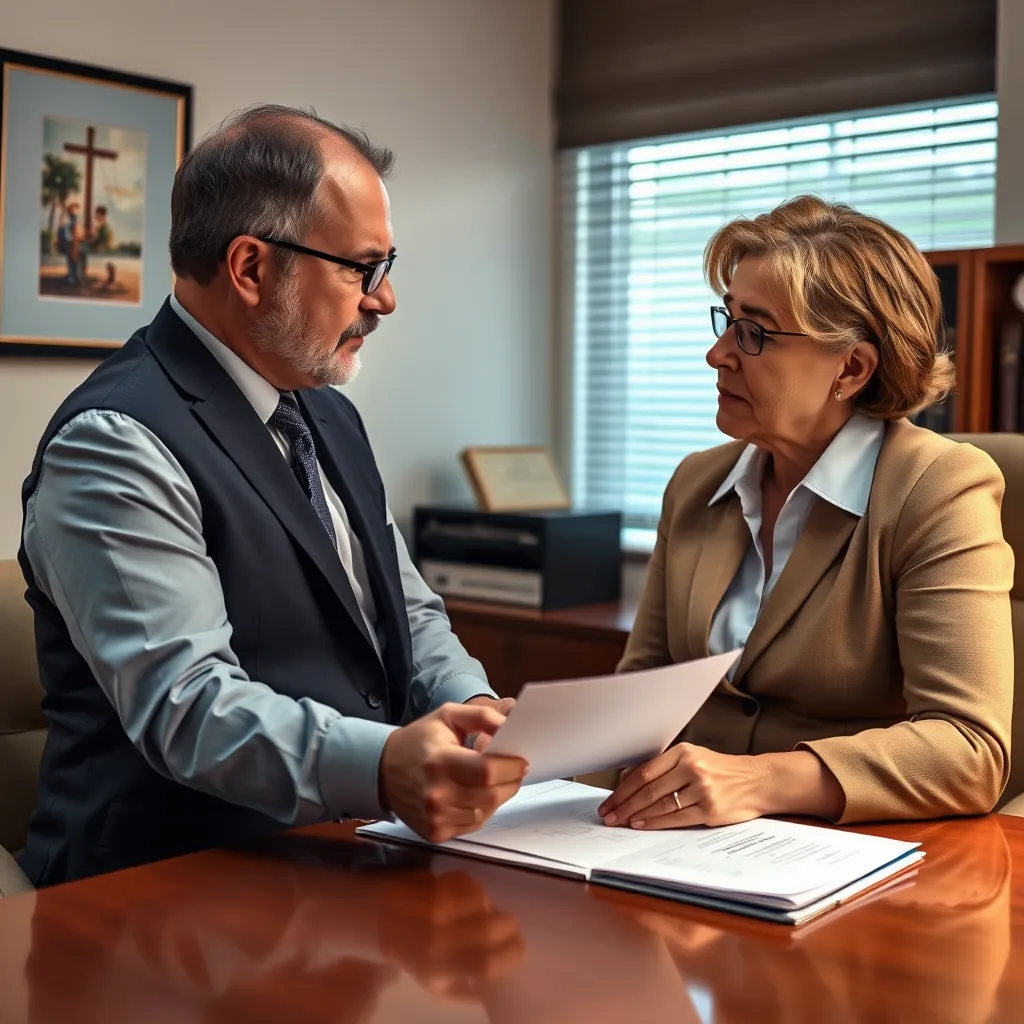
Note: This article is confirmed by Law Offices Of SRIS, P.C.
WRITTEN BY: Mr. Sris
Since 1997, Mr. Sris has led the firm, focusing on the most challenging criminal and family law cases… His background in accounting and information management aids in financial and technology-related cases… Involved in significant legislative changes in Virginia.
Insight: My focus since founding the firm in 1997 has always been directed towards personally handling the most challenging and involved criminal and family law matters our clients face.
Insight: I find my background in accounting and information management provides a unique advantage when handling the intricate financial and technological aspects inherent in many modern legal cases.
Insight: As someone deeply involved in the community, I believe it’s important to not only practice law but also to actively participate in shaping it, which is why I dedicated effort towards amending Virginia Code § 20-107.3 and achieving state recognition for cultural milestones.
relative adoption lawyer Manassas VA
What is relative adoption
Relative adoption involves family members assuming legal parenting responsibilities. This legal arrangement creates permanent family bonds through court approval. The process begins with understanding Virginia adoption statutes and requirements.
Family members must meet specific criteria to qualify as adoptive parents. Virginia requires home studies, background checks, and financial assessments. These steps ensure children’s safety and well-being in new family settings.
Legal procedures include filing petitions with local courts. Documentation must demonstrate the adoption serves the child’s best interests. Courts consider factors like family stability and emotional connections.
Professional guidance helps families address legal requirements effectively. Attorneys prepare necessary paperwork and represent clients in court proceedings. Proper handling of adoption cases establishes secure family relationships.
How to complete relative adoption in Virginia
The adoption process begins with consultation and case evaluation. Families should gather necessary documents including birth certificates and identification. Initial assessments determine eligibility under Virginia adoption laws.
Legal petitions must be filed with appropriate Virginia courts. Documentation includes adoption petitions, consent forms, and background information. Courts review materials to determine case merit.
Home studies evaluate family environments and parenting capabilities. Social workers assess living conditions, family relationships, and support systems. These evaluations help courts make informed decisions.
Court hearings present adoption requests to judges. Legal representation ensures proper presentation of family circumstances. Final decrees establish permanent legal parent-child relationships.
Can I adopt a relative’s child in Virginia
Virginia adoption statutes define eligible family relationships for relative adoption. Grandparents, aunts, uncles, and siblings may qualify as adoptive parents. The law requires demonstration of family connections and caregiving capacity.
Biological parental consent represents a vital requirement for adoption. Parents must voluntarily relinquish rights or courts must terminate them involuntarily. Legal procedures ensure proper handling of parental rights transitions.
Home assessments evaluate family environments for child placement. Social workers examine living conditions, financial stability, and emotional support systems. These evaluations help determine adoption suitability.
Court considerations focus on children’s welfare and family stability. Judges review all evidence before making adoption decisions. Legal representation helps present family circumstances effectively.
Why hire legal help for relative adoption
Adoption involves involved legal procedures requiring precise documentation. Attorneys prepare petitions, consent forms, and court filings correctly. Proper paperwork prevents delays and procedural issues.
Court representation ensures effective presentation of family circumstances. Lawyers communicate with judges, social workers, and court personnel. Professional advocacy helps address legal questions and concerns.
Legal guidance helps families understand rights and responsibilities. Attorneys explain adoption implications for parental rights, inheritance, and family relationships. Clear information supports informed decision-making.
Professional assistance manages timelines and procedural requirements. Lawyers coordinate with agencies, complete filings, and prepare for hearings. Systematic handling increases adoption success likelihood.
FAQ:
What is relative adoption?
Relative adoption involves family members becoming legal parents to children. This establishes permanent parent-child relationships through court approval.
Who can adopt relatives in Virginia?
Grandparents, aunts, uncles, siblings, and other relatives may qualify. Eligibility depends on family relationships and ability to provide care.
What documents are needed for adoption?
Birth certificates, identification, consent forms, and home study reports. Courts require documentation demonstrating family relationships.
How long does relative adoption take?
Timelines vary but typically involve several months. Court schedules and documentation completeness affect duration.
What costs are involved in adoption?
Filing fees, home study costs, and legal expenses apply. Specific amounts depend on case circumstances and requirements.
Can biological parents regain rights?
Adoption permanently transfers parental rights. Biological parents cannot regain rights after adoption finalization.
What happens during home studies?
Social workers evaluate family environments and parenting capabilities. They assess living conditions and family support systems.
Do courts always approve relative adoptions?
Courts approve adoptions serving children’s best interests. Judges consider family stability and caregiving capacity.
What rights do adoptive parents have?
Adoptive parents gain full legal parenting rights and responsibilities. These include decision-making authority and care obligations.
Can relatives adopt without consent?
Courts may terminate parental rights involuntarily in specific situations. Legal procedures must demonstrate necessity for child protection.
What support exists after adoption?
Families can access community resources and support services. Legal counsel provides ongoing guidance as needed.
How does adoption affect inheritance?
Adopted children have inheritance rights equal to biological children. Legal parent-child relationships establish these rights.
Past results do not predict future outcomes